


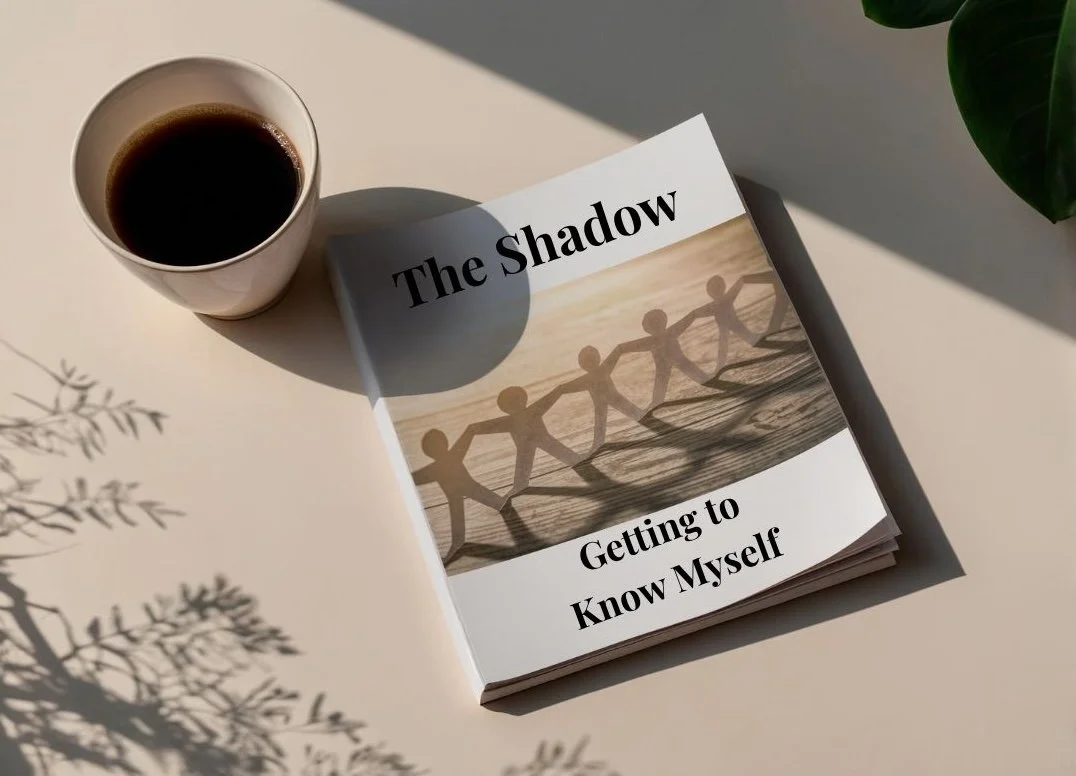
Shadow Work - What’s Below The Surface?
What is ‘The Shadow’?
Carl Jung describes the shadow as the hidden part(s) of our human psyche, so basically when we talk about the Shadow or our Shadow Selves, we mean all the Parts we deny, hide or reject about ourselves.
What is Shadow Work?
Shadow work is the process of exploring the unconscious parts of yourself and bringing them into conscious awareness in a safe and supportive way. By identifying and understanding what we are holding unconsciously, it can help us to recognise how it is affecting the way we are living our lives in the present, which can be really useful when trying to heal from an eating disorder.
We all have a Shadow, and there are lots of ways it shows up in our conscious lives, including:
Addiction
Depression
Anxiety
Co-dependency
Creating or being part of a lot of drama in life
Self-sabotage
Jealousy
Lying
Procrastination
Disordered eating
Resentment
Passive-aggressiveness
Bitterness
Aggression, anger and rage
Violent behaviours and abuse
Victimisation
Guilt and shame
Reactivity
Discontentment
Unless we can find ways to integrate the shadow, it will continue to control some areas of our lives. We can’t heal what we don’t see or feel - and so it will keep causing challenges, challenges which could be keeping us sick and feeling miserable.
Face Your Fear
〰️
Delve Deeper
〰️
Face Your Fear 〰️ Delve Deeper 〰️
The process of shadow work can be challenging, but it is also a great tool to develop self-awareness and facilitate personal growth. By taking time to reflect on our thoughts, feelings, and behaviours, we can gain insight into out unconscious patterns and beliefs, and learn how to make positive changes in our lives.
Shadow work can encompass a wide range of topics and themes, but there are generally three main areas that are explored:
Emotions: The shadow often contains difficult or unresolved emotions, such as anger, fear, sadness, or shame. These emotions may have been suppressed, denied, or rejected at some point in the past, and they can have a powerful influence on our thoughts, behaviours, and relationships.
Beliefs and values: The shadow can also contain beliefs and values that conflict with our conscious attitudes and worldview. For example, we may have a conscious belief that we are worthy and deserving of love but an unconscious belief that we are not good enough or unworthy of love.
Patterns and behaviours: The shadow can also contain patterns of behaviour or habits that are harmful or self-sabotaging. These patterns may be driven by unconscious beliefs or emotions, and they can be difficult to change without exploring the underlying issues in the shadow.
Looking at these three components through the lens of anorexia recovery, I can see how by working with my unresolved emotions and learning how to deal with difficult feelings in the moment instead of them was a necessary first step for me. Then identifying and reframing some of the beliefs I had about myself (many of which I wasn’t consciously aware of) helped to explain why I was having such a hard time letting go of the anorexic behaviours. The more self-awareness I developed, the harder it has been for me to default to my old ways of being.
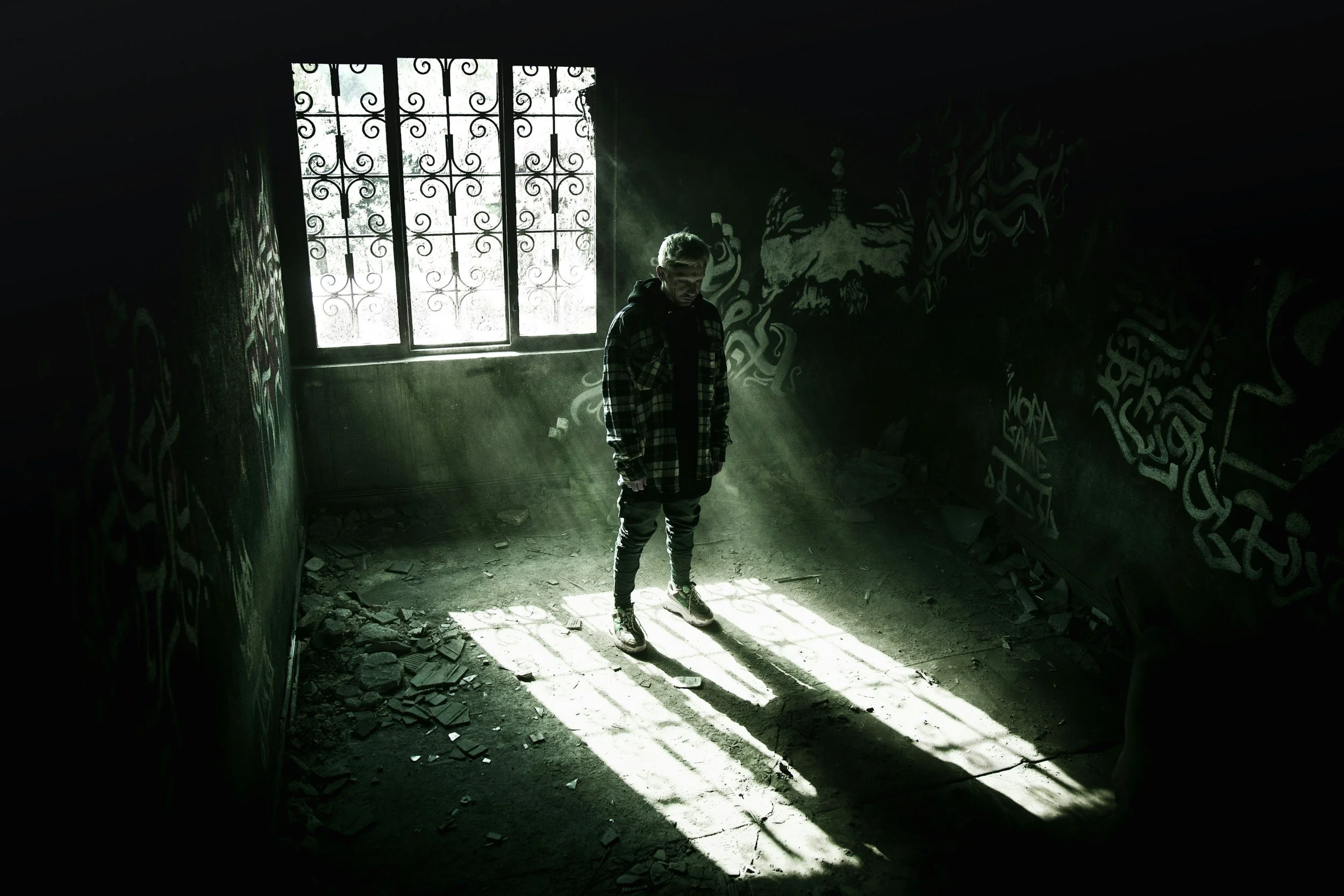
You may have already started working with your Shadow to investigate the cause of your eating disorder, or challenging behaviours and this may be the first time you have considered there is something other than the eating disorder causing you to remain stuck in it. If you are curious about exploring your Shadow more and seeing whether you can learn more about the role it plays in your eating disorder, try using some of the prompts in the documents below. Who knows what you might find hidden within yourself? After all, we all hold the keys to recovery within us!