


Yoga and Anxiety
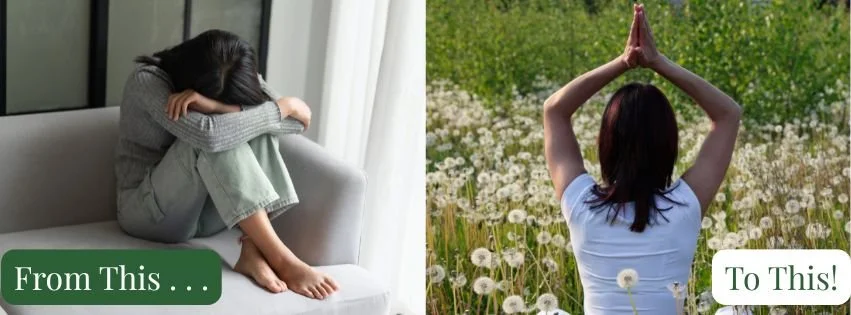
Living with anxiety can be exhausting, and its effects are often felt in both our bodies and our minds. Some symptoms you might notice if you suffer from anxiety include:
A racing heart
Shallow breathing
Muscle tension
Restlessness
Poor sleep
A constant sense of being “on edge”.
If you have experienced any of these, know you are not alone, you join thousands of people around the world, many of whom have learned to manage these symptoms through yoga and mindfulness. Yoga can offer gentle support because it brings together movement, breathing, and mindful attention in one practice. Rather than asking you to “just relax”, it offers practical ways to slow down, reconnect with your body, and create a little more steadiness.
How Can Yoga Help With Anxiety?
It Calms the Nervous System
One way in which yoga can help anxiety is the way it supports the body’s stress response. When anxiety is present, it can feel as though your system is stuck in “fight, flight, or freeze”, even when you want to rest. Gentle yoga, especially when paired with slow breathing, can guide the body into a calmer state. Practices such as long exhalations, simple seated breathing, and slower forms of yoga can encourage relaxation and help you feel more grounded. This is important because when the body begins to feel a little safer, the mind often follows. Even a short yoga practice can leave you feeling less physically tense and a little more able to think clearly.
It Reduces Physical Tension & Builds Body Awareness
Anxiety often settles in the body in ways that can be easy to miss at first, especially if we aren’t used to paying attention. Tight shoulders, jaw clenching, headaches, digestive discomfort, and chest tightness are all common signs that you may be carrying more stress than you realise. Yoga offers a gentle, structured way to notice that tension and begin to soften it. Stretching, supported poses, and mindful movement can help you recognise where stress is building and respond with care. Over time, this growing body awareness can be powerful. Instead of only noticing anxiety once it has become overwhelming, you may begin to spot the signs earlier and use breath and movement to support yourself before things escalate.
It Interrupts Anxious Thought Patterns
When anxiety is high, thoughts can spiral quickly into worry, overthinking, and worst-case scenarios. That experience can feel overwhelming, especially when it seems hard to switch your mind off. Yoga can help by gently bringing attention back to the present moment. Following the rhythm of your breath, holding a pose, or noticing the contact of your feet with the floor can offer an anchor when your mind feels unsettled. This doesn’t mean anxious thoughts disappear straight away, but it can soften their intensity and help you respond to them with a little more space and steadiness.
It Improves Sleep & Emotional Resilience
Poor sleep and anxiety can easily feed into one another. When you are worn out, it is often harder to cope with stress, and when anxiety is present, rest can feel frustratingly out of reach. Many people find that a regular yoga practice, especially in the evening, helps them unwind before bed. Restorative yoga, gentle stretching, and simple breathing exercises can support a calmer transition into sleep. Yoga Nidra can also be a fantastic option. Over time, yoga may also help build emotional resilience by creating a sense of routine, self-trust, and confidence in your ability to cope. These changes can be small at first, but they often make everyday stress feel a little more manageable.
It Can Be A Flexible, Accessible, Support Tool
Another reason yoga can feel supportive for anxiety is that it can be adapted to meet you where you are. You do not need to be flexible, athletic, or experienced. Nor do you have to be in any particular body type. Yoga can be accessible to all bodies and all abilities. A helpful practice might be a ten-minute breathing routine in the morning, a beginner class once a week, or a few gentle stretches before bed. Styles such as hatha, restorative, yin, or trauma-informed yoga may feel more supportive than faster-paced classes. Yoga can also sit alongside other forms of support, including talking therapy, medication, sleep support, and lifestyle changes. For many people, it works best as one part of a wider toolkit rather than something you need to rely on by itself.
Yoga Postures That Help With Anxiety
If you are new to yoga and looking to use it to help manage anxiety, it may help to start small and keep things gentle. Short sessions can still be useful and there is no need to push yourself. Try to pay attention to how you feel during and after practice and let that guide you. Focusing on steady breathing can be more helpful than worrying about “getting the posture right”. Beginner-friendly, trauma-informed and slower sessions may feel more supportive, especially if intense movement leaves you feeling overstimulated. Consistency matters more than duration, so a few minutes on most days can be enough to begin noticing a difference. If you have a health condition, injury, or history of trauma, consider choosing a teacher who understands how to adapt practice safely.
If your mind feels busy or your body is holding onto stress, the postures below are simple, supportive and designed to feel nurturing rather than intense, making them a lovely choice for beginners or anyone in need of a little calm.
Child’s Pose (Balasana)
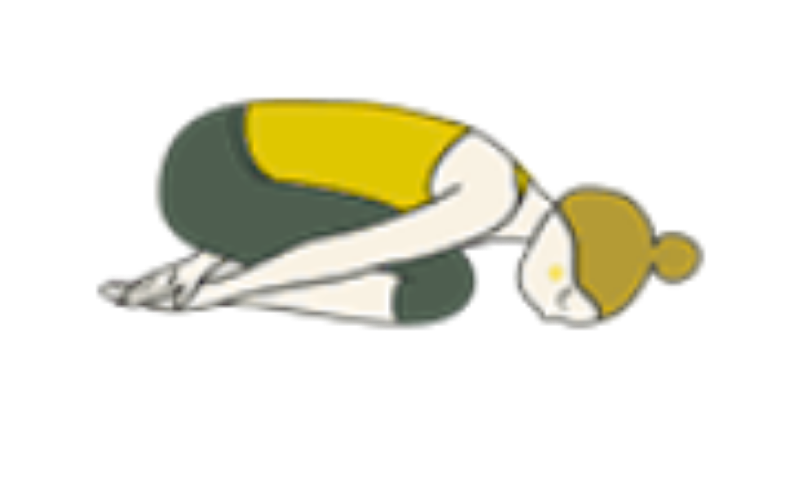
Come down to your knees, let your hips sink back towards your heels and gently fold forward. This comforting shape can feel like a pause for the whole body, helping to soften the back, shoulders and jaw while inviting the mind to settle.
Legs Up the Wall (Viparita Karani )
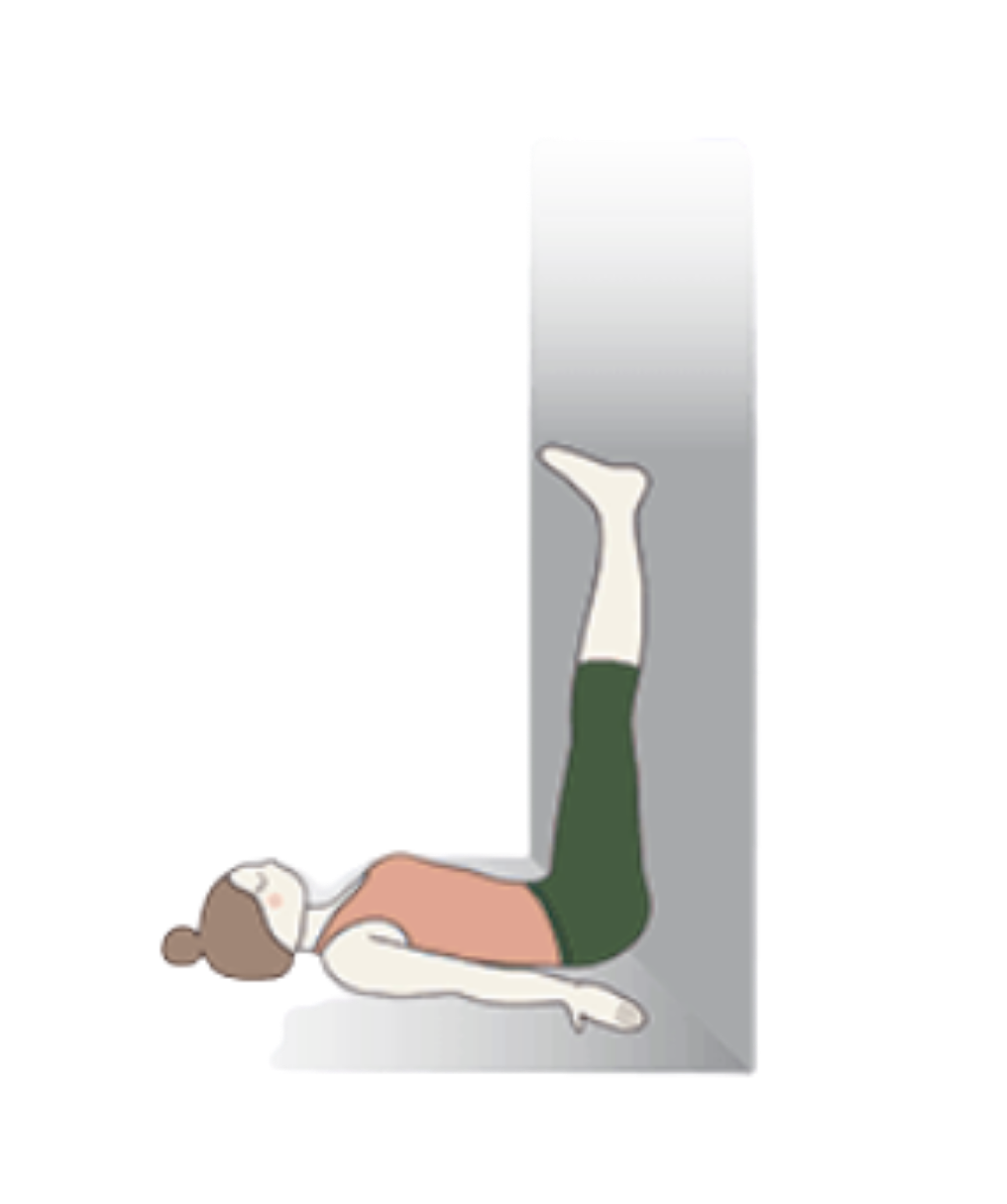
Sit beside a wall, lower yourself onto your back and rest your legs up against the wall. This quiet, restorative pose can feel deeply soothing, especially when you are tired, overstimulated or simply in need of stillness.
Cat–Cow (Marjaryasana-Bitilasana)
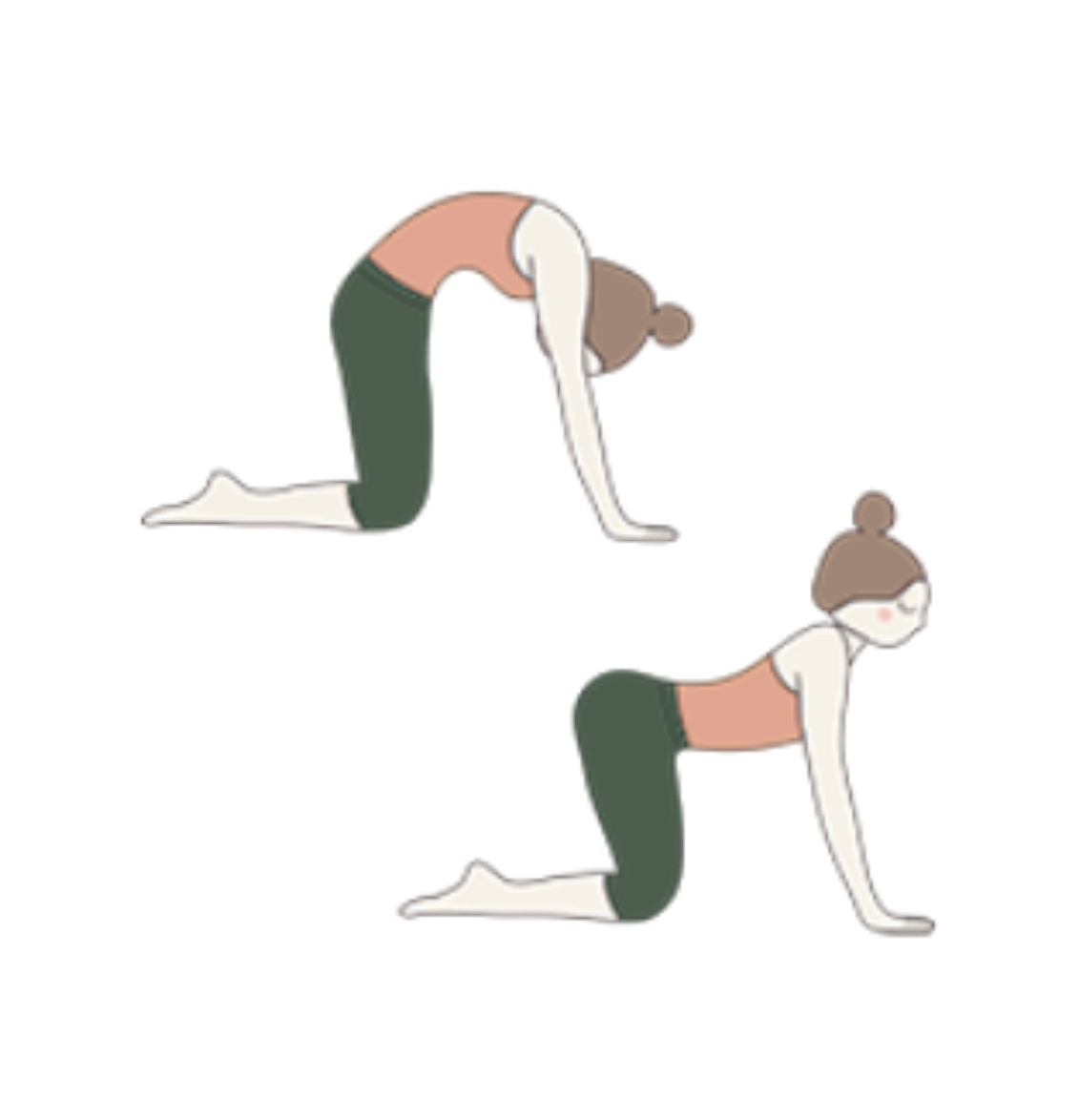
Begin on your hands and knees, then slowly alternate between arching and rounding your spine with each breath. The gentle rhythm can release tightness and create a calming sense of flow between body and breath.
Standing Forward Fold (Uttanasana)
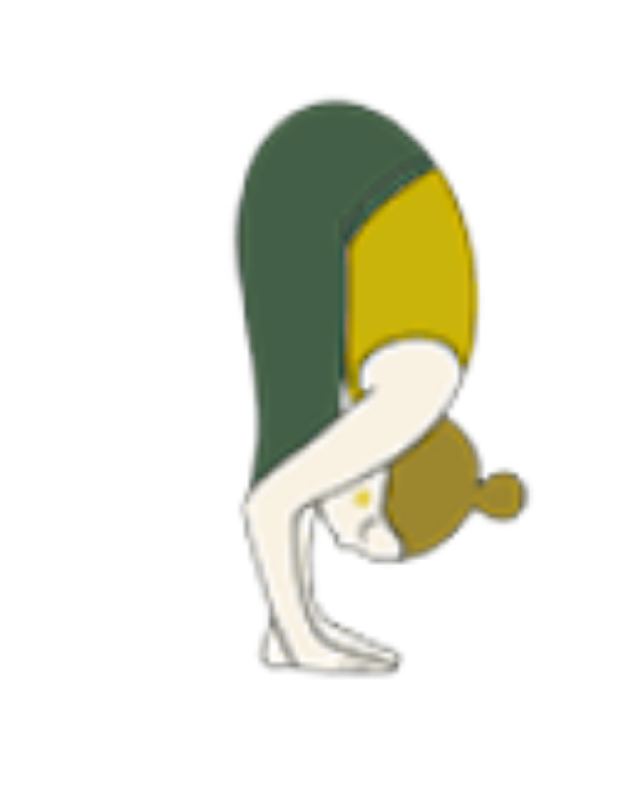
From a standing position, fold forward softly and let your head, neck and arms hang heavy, bending your knees as much as you need or want to. This pose can encourage a feeling of grounding and help you turn inward for a few peaceful breaths.
Seated Forward Fold (Paschimottanasana )
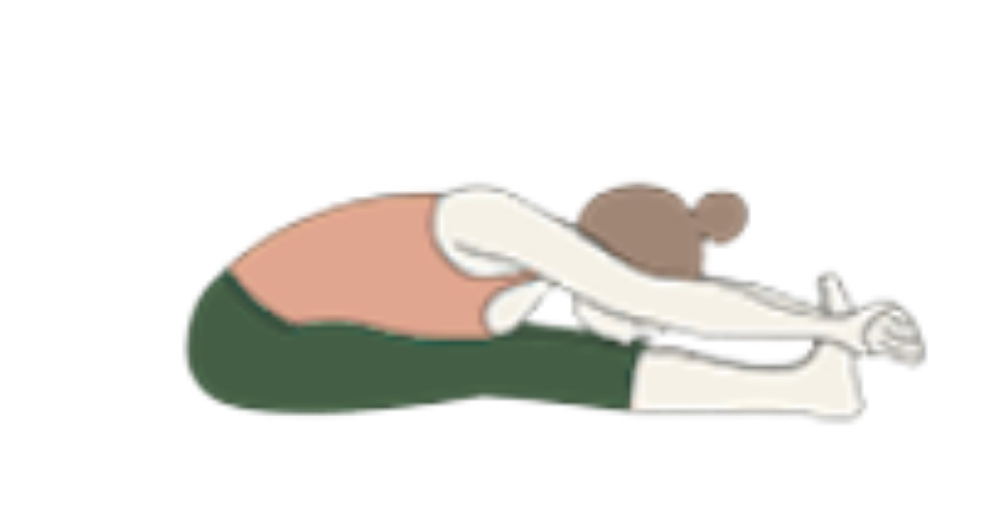
Sit with your legs stretched out in front of you and fold forward only as far as feels easy. With its quiet, inward energy, this pose can help you slow down and create space when your thoughts feel scattered.
Cobra Pose (Bhujangasana)
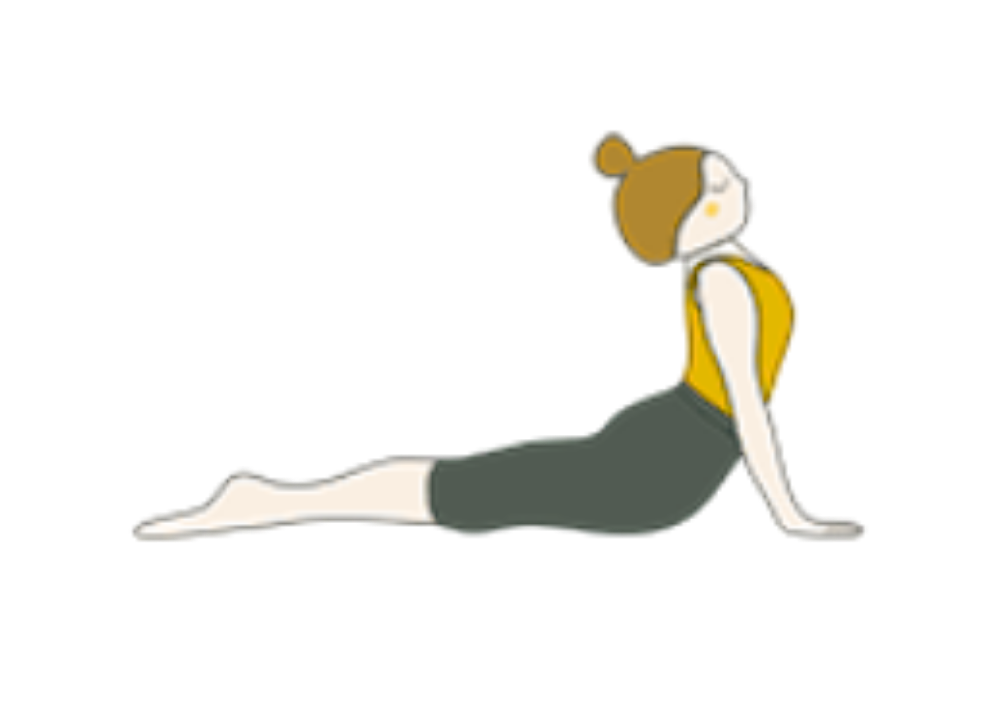
Lie on your front, place your hands beneath your shoulders and lift your chest just a little as you breathe in. A small cobra can bring a gentle sense of openness through the chest and support fuller, steadier breathing.
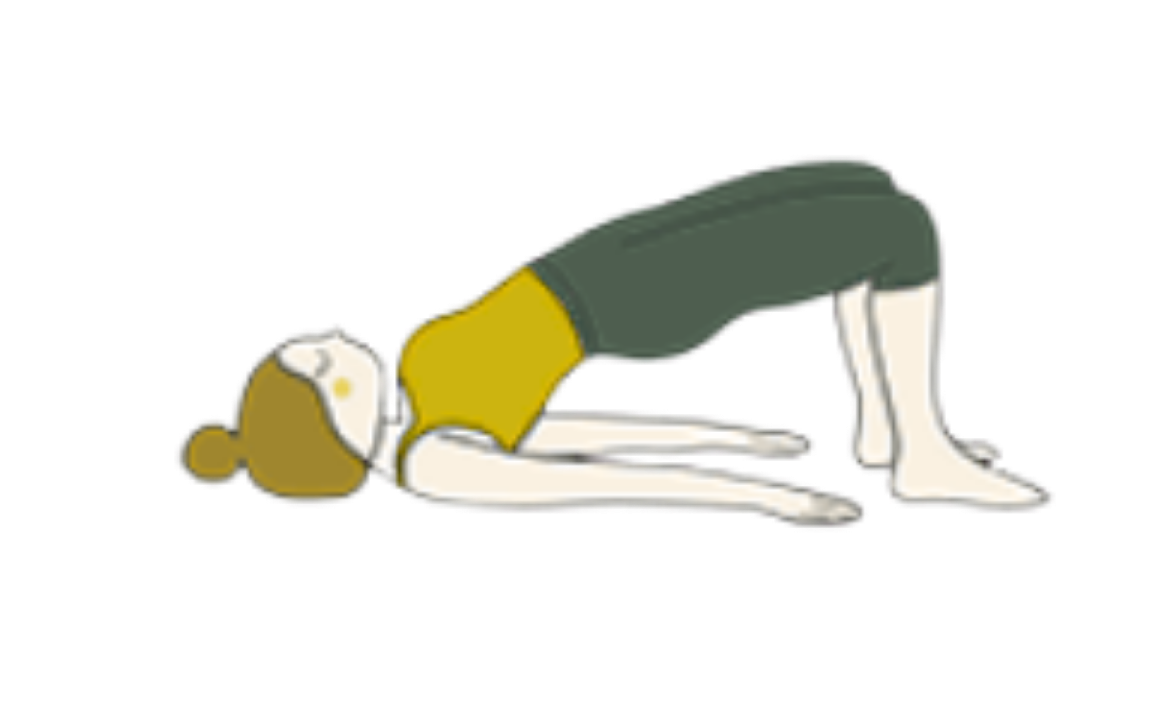
Bridge Pose (Setu Bandha Sarvangasana)
Lie on your back with your knees bent and feet resting on the floor, then gently lift your hips. This soft backbend opens the chest and heart area, which can feel refreshing when stress leaves you tense or curled inwards.
Supine Twist (Supta Matsyendrasana)
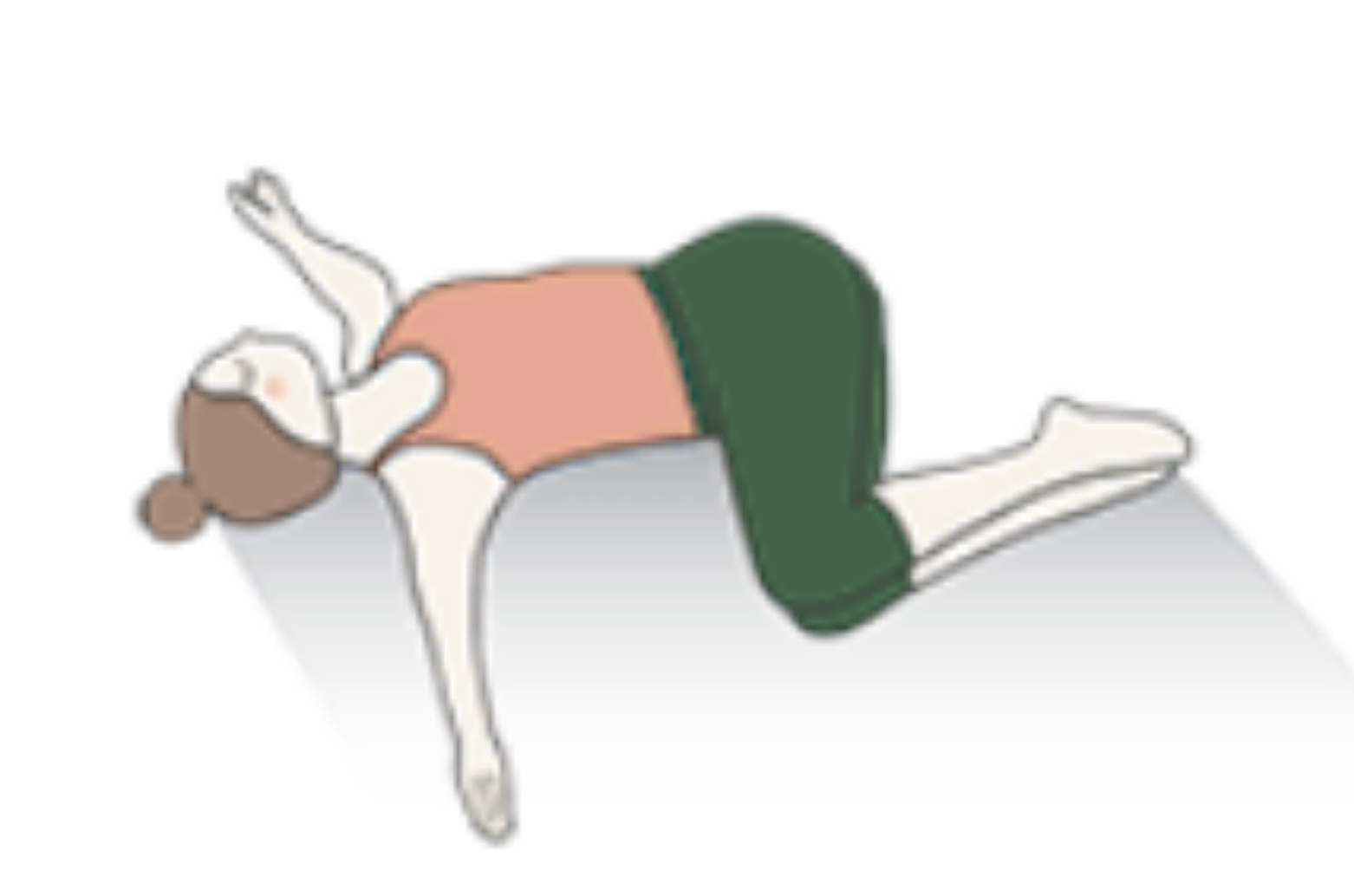
Rest on your back, draw one knee in and guide it across your body, keeping both shoulders heavy on the floor. This easy twist can feel wringing-out and relaxing at the same time, helping the body unwind before rest.
Easy Pose (Sukhasana)
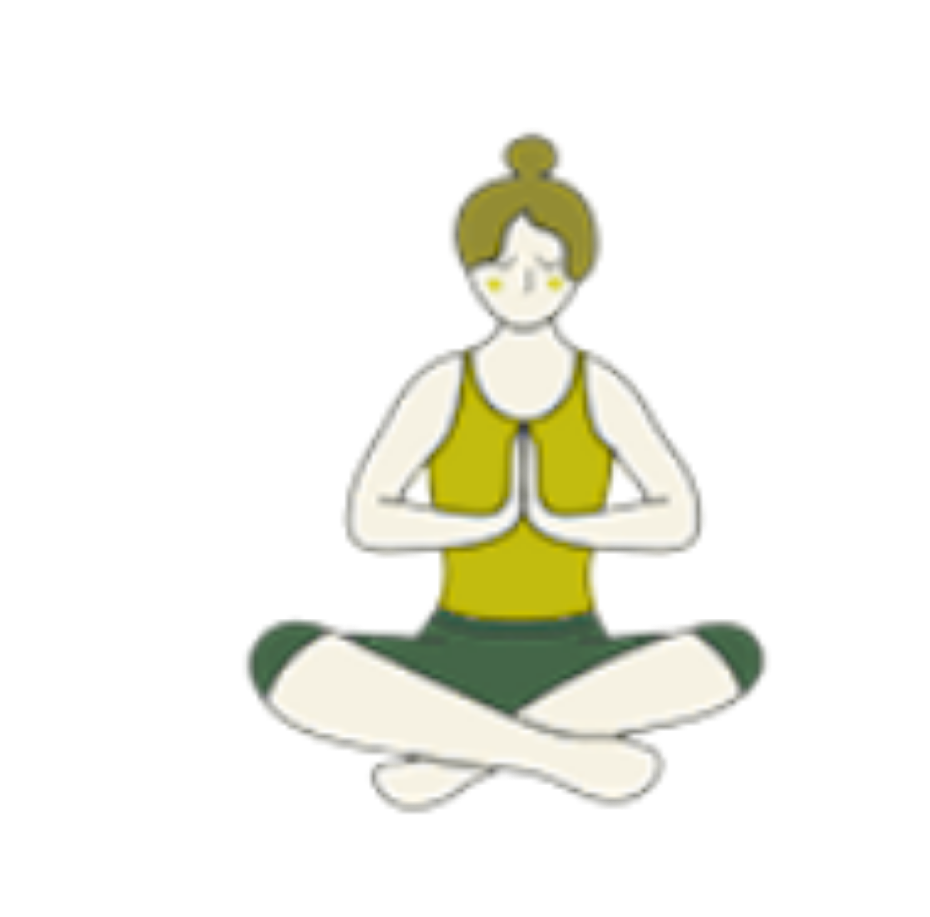
Sit comfortably cross-legged, or on a cushion if that feels better, and let your hands rest softly on your knees or together in front of your heart. Simply noticing the rise and fall of your breath for a few moments can be enough to bring a little more ease to the mind.
Corpse Pose (Savasana)

Lie back comfortably with your arms relaxed by your sides and your palms turned upwards. This final resting pose offers a chance to fully let go, allowing the body to feel supported and the nervous system to gently settle.
As you move through these poses, let comfort be your guide. Breathe slowly, soften where you can and stay for 3 to 10 breaths in each shape, or longer in especially restful poses such as Child’s Pose, Legs-Up-the-Wall and Corpse Pose. Even a few quiet minutes can make a difference.
Yoga is not a magic fix, and it does not need to be. For many people, it can simply be one gentle, supportive way to care for themselves while navigating anxiety. By combining breath, movement, and mindfulness, it may help calm the nervous system, release tension, improve focus, and support better sleep. The most important thing is to approach it with patience and kindness, rather than expecting instant results. For anyone living with ongoing or severe anxiety, yoga is best seen as a complementary practice that can sit alongside professional care. With the right style and pace, it can become a steady source of calm, awareness, and resilience in daily life.