


Yoga and Depression

Depression can touch every part of our lives, believe me, I know! I first struggled with depression in my early teens and by the time I turned 30 I thought it was a state that I would always live my life in. Depression can affect our moods, energy, sleep, appetite, focus, and sense of connection. It can also affect how we relate to and interact with the people and the world around use. Depression is also a condition that many people struggling with as eating disorder also experience.
When even the smallest and most basic tasks feel heavy, finding supportive ways to care for ourselves can make a real difference. Yoga is certainly not a cure for depression, but for many people (me included) it can be a gentle and practical addition to other coping tools . By combining movement, breathing, and mindful attention, yoga creates space to slow down, reconnect with the body, and build moments of steadiness.
Although everyone experiences depression differently and symptoms look different from person to person, some common signs that you may be depressed include:
Feeling sad, down, or emotionally numb much of the time
Losing interest in things you usually enjoy
Feeling tired or lacking motivation
Sleeping more or less than usual
Changes in appetite or weight
Trouble focusing, remembering things, or making decisions
Feeling hopeless, guilty, or hard on yourself
Feeling irritable, overwhelmed, or emotionally sensitive
Pulling away from friends, family, or daily activities
Having thoughts that life feels too hard or not worth it.
Research has shown that when practiced regularly, yoga can help reduce depressive symptoms. But for me, the biggest benefit wasn’t any big, dramatic, overnight change. Instead it has been the gradual reassurance of doing something kind and grounding for myself each day that feels both helpful and nourishing. Being kind to myself certainly wasn’t something that came easily or naturally, but something I am vey glad I can do now, without questioning whether I deserve it or not.

How Can Yoga Help With Depression?
Yoga Can Lift Your Mood & Help Rebuild Routine
One of the big challenges when we are struggling with depression is simply getting started at anything. Yoga can help because it offers a softer, more adaptable form of movement than most other forms of exercise. Despite what some people might think, you do not need to be flexible, energetic, or experienced to begin. Even a short session can bring a small sense of achievement and help break the feeling of being stuck.
Regular movement is something that is frequently recommended as part of depression support and yoga can be especially appealing because it pairs gentle exercise with breathing and relaxation. Over time, returning to a simple practice can add shape to the day or week, helping to restore routine when life feels unsettled or overwhelming. These small moments of consistency can build confidence and gently remind you that change is possible even if we are only taking small steps forward or giving ourselves time to rest when needed.
Yoga Can Ease Tension & Help You Feel Lighter
Depression isn’t something we experience emotionally; it can be deeply physical too. Some people experience restlessness and tightness, while others feel slowed down, flat, or drained. Yoga can support both experiences by encouraging movement in a way that feels manageable rather than demanding. Gentle stretches, held postures, and steady breathing can help release tension and calm the body’s stress response. It is also possible that yoga can impact biological factors that impact our moods (although the research on this continues). In everyday terms, many people with depression find that moving and breathing with intention helps them feel a little lighter and more present. That shift may be subtle, but it can make daily life feel more manageable.
Yoga Teaches Us That Everything is Temporary
Yoga helps us notice that everything is constantly changing — our thoughts, emotions, physical sensations, energy levels, and even our abilities from one day to the next. Understanding non-permanence can help because depression often makes us believe that painful thoughts, emotions, or situations will last forever. But on the yoga mat we learn to notice how our emotions come and go; they are temporary rather than fixed. So too does our breath come and go, always ebbing and flowing with everything else in life. Yoga encourages us to observe experiences and thoughts without clinging to them or trying to push them away, which can help us accept change. In this way, yoga teaches us that suffering can be increased when we hold on too tightly to something, whereas if we can learn to move with things they can feel easier and less overwhelming or scary. Everything in life is temporary, including our thoughts and feelings. We can’t choose what thoughts pop into our heads or what emotions they might bring up, but we can choose what to do with those thoughts.
Yoga Aids Mindfulness and Self-Connection
Depression often causes self-criticism, hopeless thoughts, or a sense of numbness. Yoga offers anchors that bring us back to the present moment. Little things like feeling our feet pressing into the floor, the rhythm of our breath, or the sensation of reaching and releasing through the body, can offer temporary pauses that facilitate connection and presence. These moments may not erase difficult feelings, but they can create a little more room around them. Instead of feeling fully consumed by low mood, we can notice short pauses of awareness and calm. For many people, this is where yoga becomes especially valuable. It can feel like a quiet practice of returning to ourselves with less judgement and more compassion, even on days that feel really challenging.
Yoga Improves Sleep and Increases Energy & Resilience
Depression often leads to difficulties with sleep, whether that’s struggling to switch off or sleeping more than usual without feeling restored. Yoga can help by helping the body and mind to settle, especially when the practice includes slower more restorative poses, or calming breath work. Better sleep alone may not “cure” depression, but it can improve concentration, emotional balance, and the ability to cope. Yoga also helps build resilience over time. Learning to sit through my discomfort has been invaluable in my recovery, but learning to soften tension and return to the mat (even on difficult days) can strengthen self-trust in a really meaningful, self-compassionate way. Although these changes happen gradually, they can still play an important role in long-term recovery and day-to-day wellbeing. When we feel resilient and trust in our own ability to cope it can make hard days feel a little less heavy.
Yoga Practice is Adaptable
One of the wonderful benefits of practicing yoga to help with depression is that it can be shaped around your needs. Sometimes, you may find that you like a beginner class once a week, while at others the practice could be ten minutes of stretching and breathing at home each day. There is no wrong way to practice (as long as you aren’t doing anything dangerous) and when energy is particularly low, options such as yin, restorative and trauma-informed yoga might feel more accessible for you. Chair yoga might even be your choice if your energy is really low, it will still have the same benefits as any other form of practice. Yoga allows us to meet our bodies exactly where they are. Taking time to tune in and noticing our energy levels and asking what we need from our practice allows us a more caring and compassionate connection to our bodies.

Yoga Postures That Help With Depression
Yoga can be a kind, gentle way to support yourself when life feels heavy. The combination of movement, breathing, and stillness can help you feel a little more grounded, present and more connected to your body. Be gentle with yourself as you begin. Even a few minutes of movement and breath can be enough. Use props, take breaks, and let your practice meet you exactly where you are. And if you’re dealing with an injury, a health condition, or worsening symptoms, it’s always a good idea to seek medical advice. Yoga won’t fix everything, but it can offer small, steady moments of comfort, care, and relief along the way.
Child’s Pose (Balasana)

Child’s Pose can feel like a little exhale for the whole body. Rest your forehead on your mat or a cushion, soften your shoulders, and breathe gently into your back. On days when everything feels like too much, this pose can offer a quiet sense of comfort and safety.
Cat–Cow (Marjaryasana-Bitilasana)
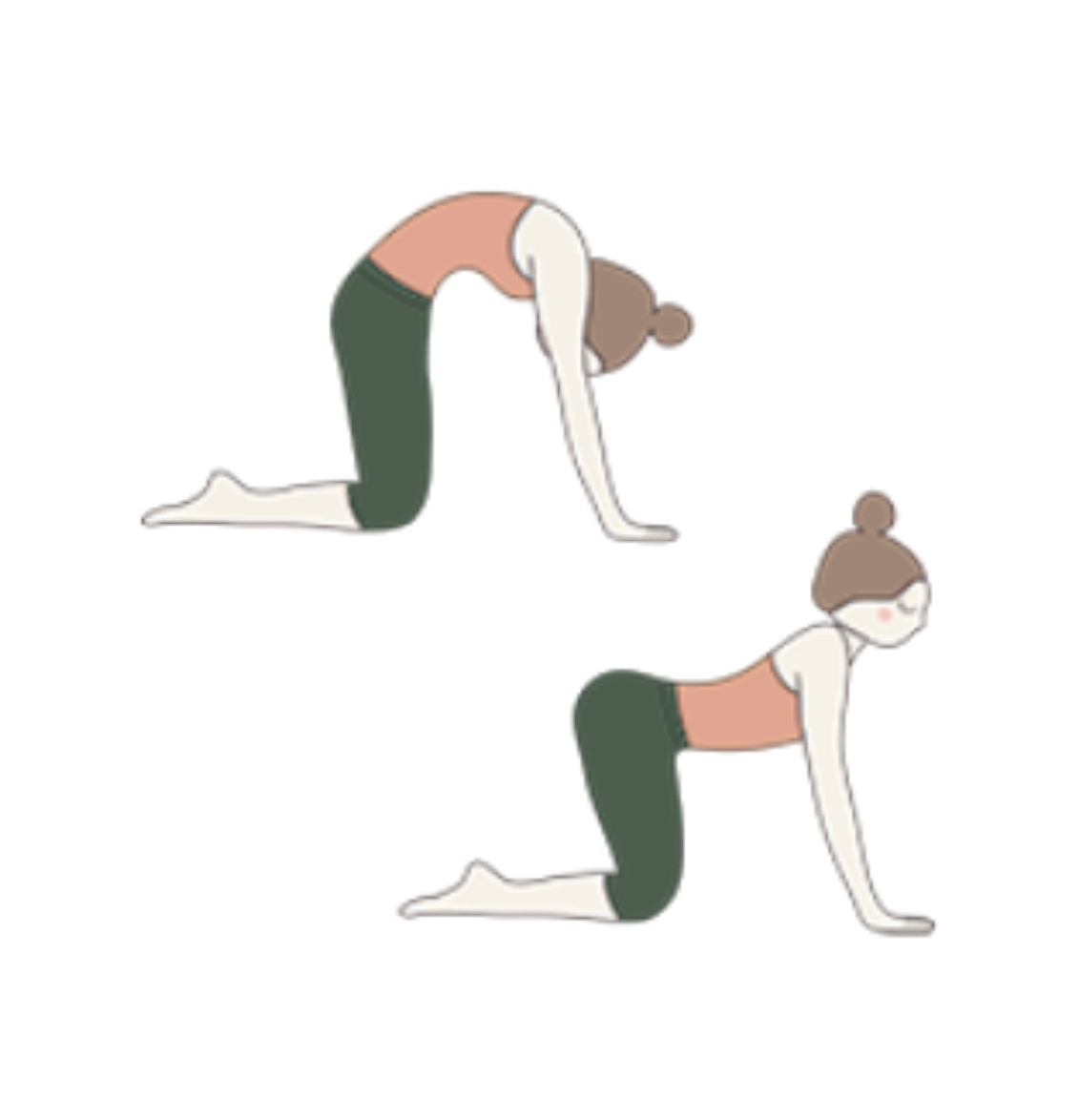
Cat-Cow is a soft, flowing movement that connects breath and body. As you inhale, let your chest open; as you exhale, gently round your spine. It can help release built-up tension and bring a little lightness when you’re feeling stuck or weighed down.
Downward-Facing Dog (Adho Mukha Svanasana)
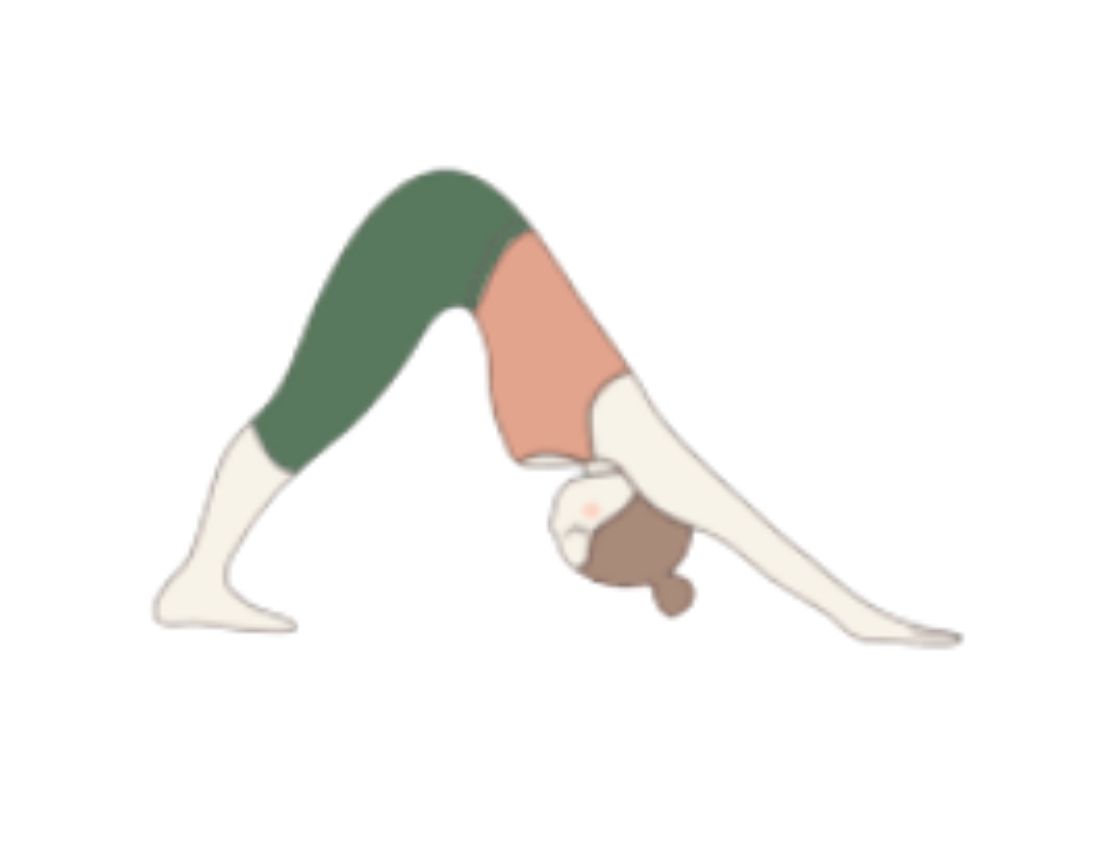
Downward-Facing Dog can be both steadying and gently energising. Bend your knees as much as you need and focus on creating space through your spine rather than trying to make the pose look perfect. A few calm breaths here can help you feel more awake and supported.
Cobra Pose (Bhujangasana)
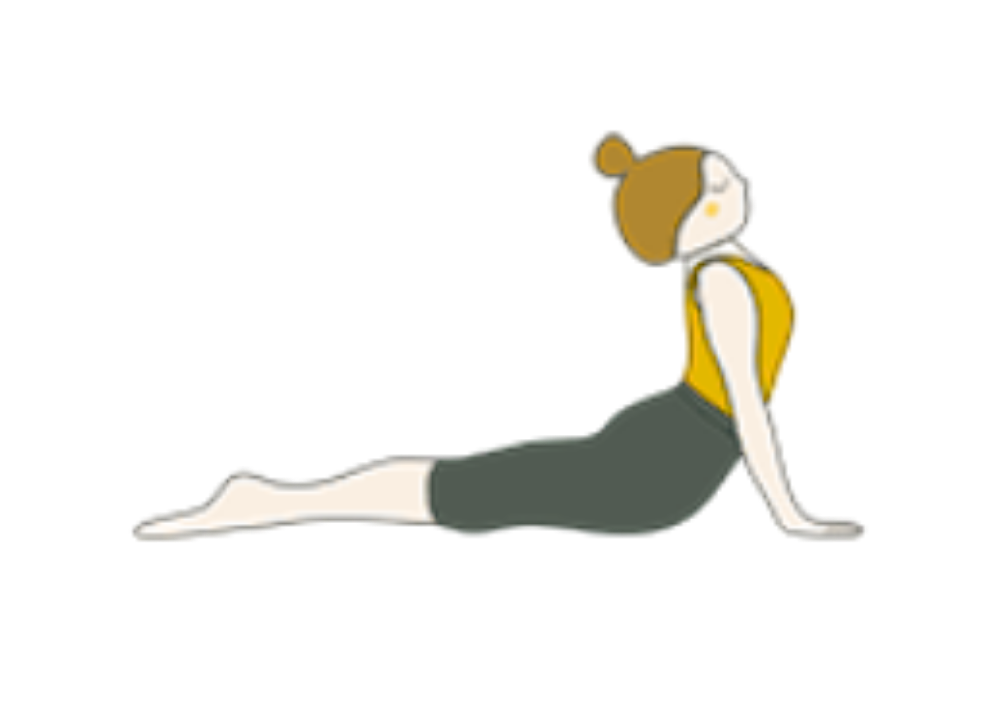
Cobra Pose offers a soft opening through the chest, which can feel especially helpful if stress or low mood has you curling in on yourself. Even a small lift can create a sense of openness. Think of it as inviting in a bit more breath, space, and warmth.
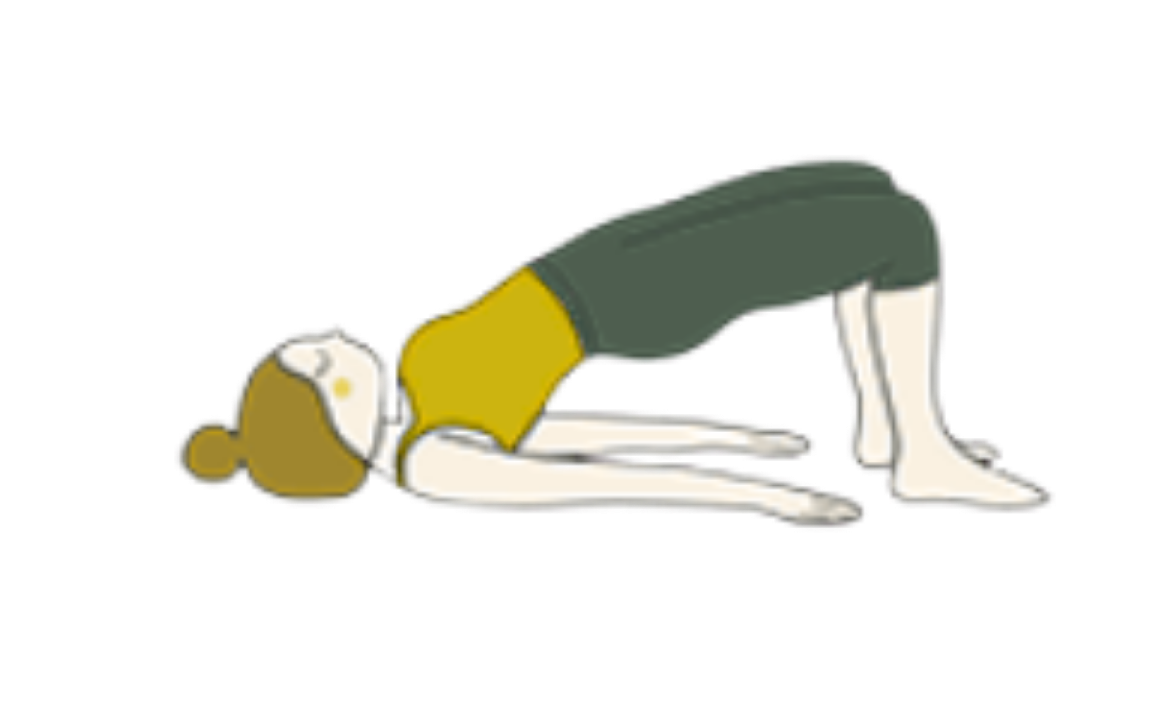
Bridge Pose (Setu Bandha Sarvangasana)
Bridge Pose is gently uplifting and can help you feel both supported and strong. If you’d like a more restful version, place a block or cushion under your hips and let yourself settle there. Sometimes a small heart-opening shape can shift the way a difficult day feels.
Warrior II (Virabhadrasana II)
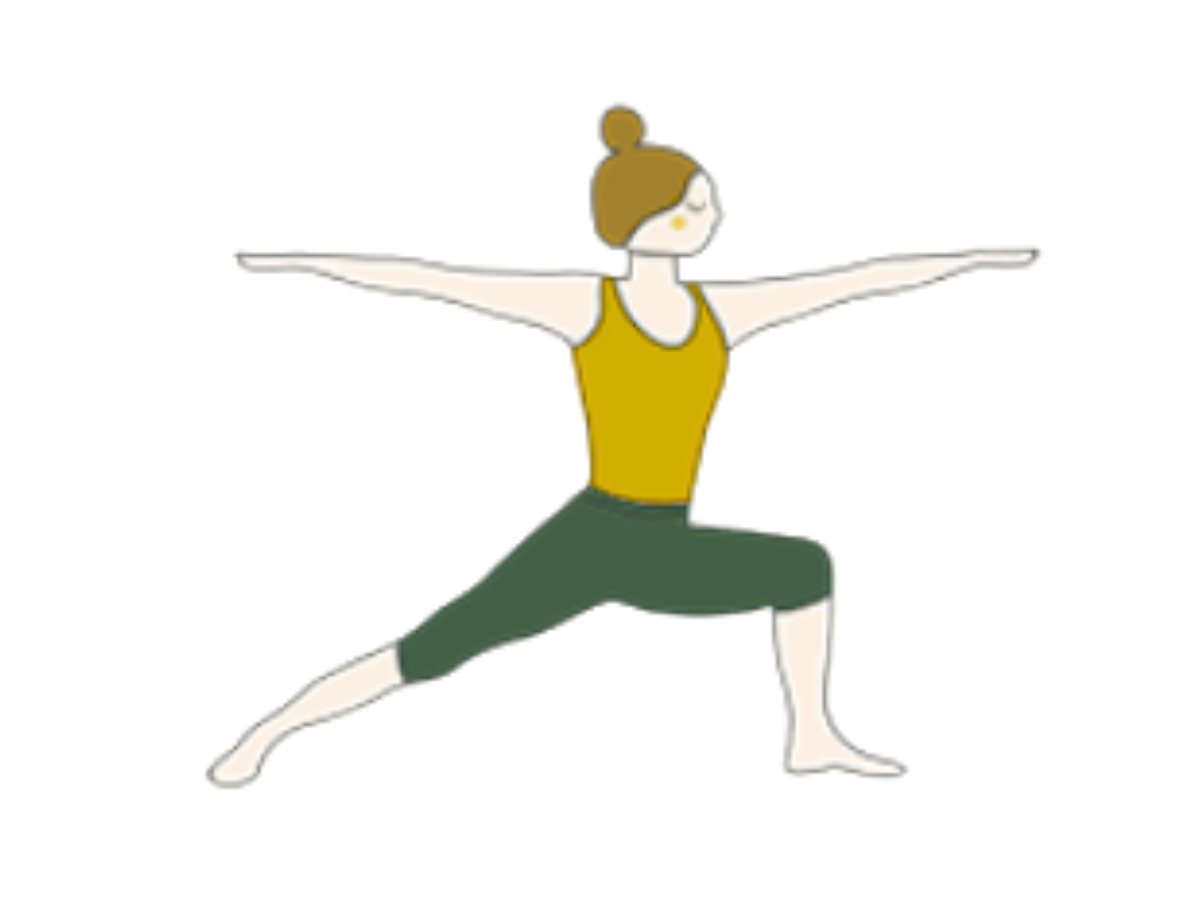
Warrior II is a grounding pose that can remind you of your own steadiness. Stand strong through your legs, soften your shoulders, and take a few slow breaths. On harder days, this pose can offer a gentle sense of strength, focus, and resilience.
Tree Pose (Vrikshasana)
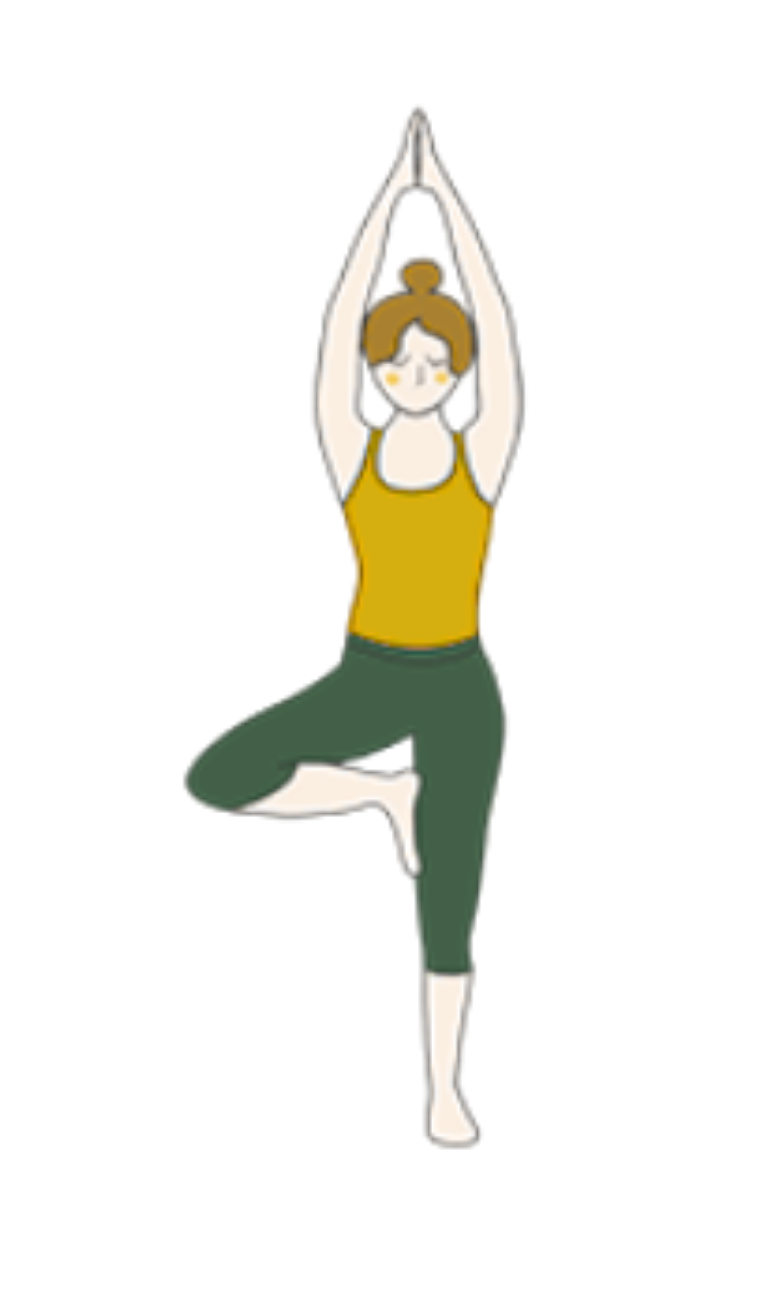
Tree Pose invites you to find balance one breath at a time. You can always keep your toes on the floor or lightly hold a wall for support. The beauty of this pose isn’t in being perfectly sill, it’s in returning to yourself whenever you wobble. The wobbles are where the work happens!
Seated Forward Fold (Paschimottanasana )

Seated Forward Fold is a quiet, inward-looking pose that encourages you to slow down. Sit up on a block or a folded blanket if that feels better, and keep a soft bend in your knees. Let the emphasis be on comfort and long, easy exhales rather than stretching deeply.
Legs Up the Wall (Viparita Karani )
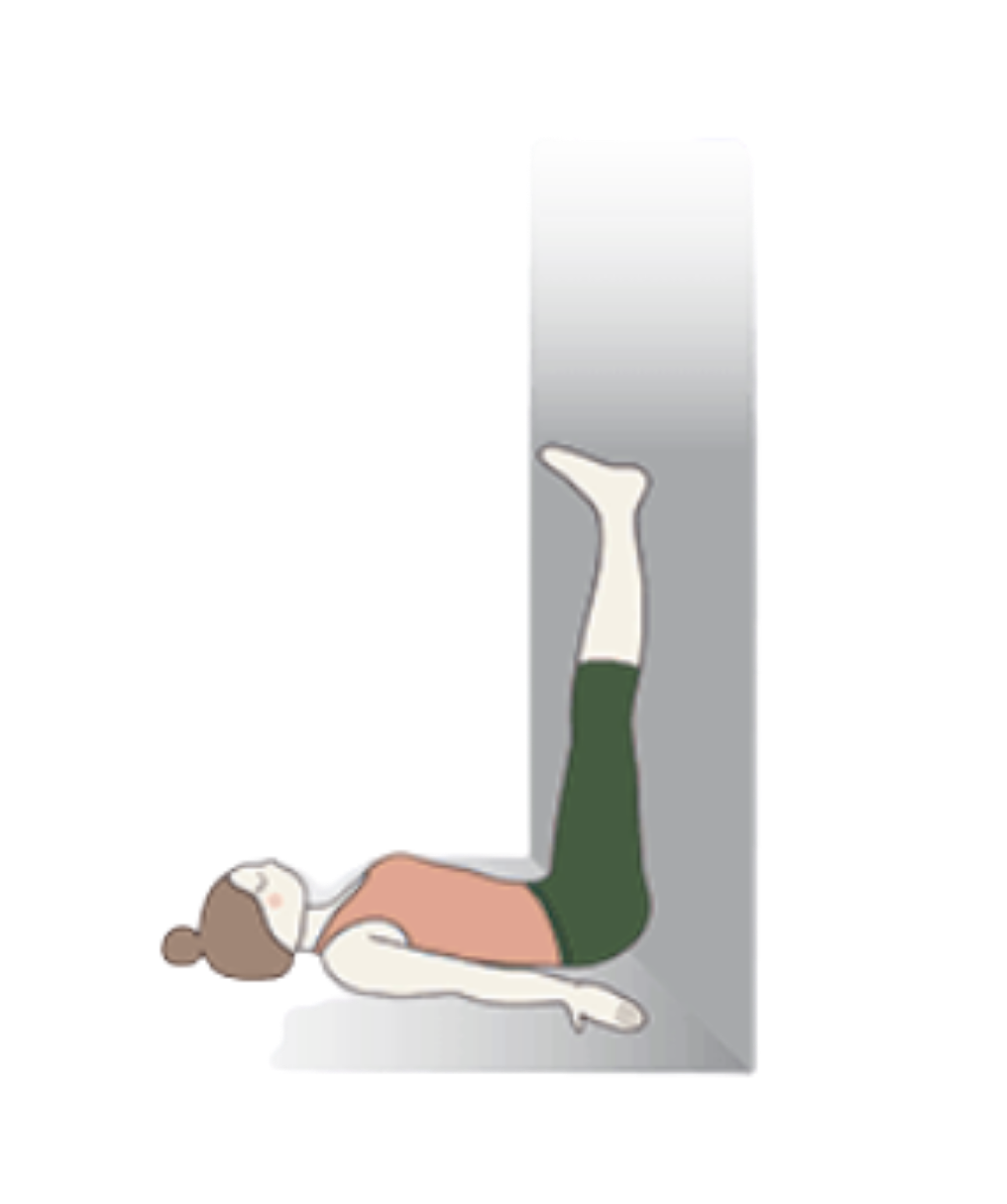
Legs Up the Wall is one of the most soothing poses when you feel tired, overwhelmed, or emotionally worn out. It asks very little of you, which can be a gift in itself. Rest here for a few minutes and let your breath find its own gentle rhythm. I practice this pose at least 5 times every day!
Corpse Pose (Savasana)

Savasana is simply a time to rest. Lying still for a few minutes can give your body and mind a chance to soften and settle. If stillness feels uncomfortable, try placing a cushion under your knees or covering yourself with a blanket to feel more supported.
While yoga is not a replacement for professional mental health care, it can be a comforting addition to it. If you’re having a hard time, please know you don’t have to manage it alone—reaching out to a GP or mental health professional can make a real difference.
Although not a standalone fix for depression, yoga can play a meaningful role to those of us struggling with depression because it brings together movement, breath, rest, and mindful attention in a way that feels accessible to most people. For some, it can help lift mood, ease physical tension, improve sleep, and restore a sense of connection to daily life. Although it’s not a quick fix and finding the motivation to start something new might feel overwhelming, I encourage you to lean into curiosity and give yoga a try. In most cases, a gentle and regular practice is more helpful than an intense one. And, with patience, flexibility, and the right support, yoga can become one small but powerful way to care for yourself through difficult times.