


Yoga and PTSD
Living with post-traumatic stress disorder (PTSD) can feel exhausting, frightening, and isolating. It can affect your sleep, your mood, your concentration, and even your sense of safety in everyday life. For some, it also creates a feeling of being disconnected from the body or constantly on edge. I know this was certainly the case for me, which is why I struggled to see the harm I was causing myself with anorexia. This disconnect is why yoga is sometimes used as a gentle, supportive practice to help people cope with PTSD symptoms and feel more grounded. It is a safe practice that offers small, practical ways to calm the nervous system, reconnect with the body, and regain a sense of control.
Flashbacks. Feeling as though the traumatic event is happening again.
Nightmares or distressing dreams related to the trauma.
Intrusive memories or thoughts that are unwanted and difficult to control.
Avoidance of reminders such as certain people, places, conversations, or activities.
Hypervigilance. Feeling constantly alert, on guard, or unsafe.
Exaggerated startle response. Being easily startled by noises, movements, or surprises.
Difficulty sleeping or staying asleep.
Negative changes in mood or thinking, such as persistent guilt, shame, fear, hopelessness, or feeling detached from others.
How Can Yoga Help PTSD Symptoms?
Yoga Helps Regulate the Stress Response
The practice of yoga brings together breathing, gentle movement, and quiet attention to the present moment. When PTSD leaves you feeling tense, alert, or unable to settle, these practices may help your body find a steadier rhythm. Slow breathing can support a sense of calm, while mindful movement offers a way to notice what is happening in your body without needing to push past your limits. This matters because trauma is not only held in memories and thoughts; it can also be felt physically through tight muscles, restlessness, jumpiness, or a sense that your body never fully relaxes. Yoga can provide a safe way to practise noticing these sensations and responding to them with compassion rather than reacting in fear.
Yoga Helps Reduce Anxiety & Stress
One of the most commonly benefits of yoga for PTSD is a reduction in anxiety and stress levels. Deep breathing exercises (pranayama) can help slow the heart rate and promote feelings of calm. Regular practice may lower stress hormones and improve the body's ability to respond to challenging situations without becoming overwhelmed.
Many people with PTSD experience persistent tension and difficulty relaxing. Yoga provides a structured way to release physical stress stored in the body while also creating a sense of mental calm. Over time, this can contribute to improved emotional resilience and a greater sense of control over anxiety symptoms.
Yoga Helps with Emotional Regulation
PTSD can make it difficult to manage emotions effectively. Feelings of anger, fear, sadness, or frustration may arise suddenly and feel overwhelming. Yoga helps us to observe our thoughts and emotions without judgment, helping to develop greater emotional awareness.
Mindfulness, which is often integrated into yoga practice, teaches us to focus on the present moment rather than becoming trapped in distressing memories or worries about the future. This skill can be particularly useful for anyone who experiences intrusive thoughts or flashbacks related to trauma.
As emotional regulation improves, many people find it easier to cope with daily challenges, communicate effectively with others, and maintain healthier relationships.
Yoga Helps With Sleep Difficulties
Sleep disturbances are a common symptom of PTSD. Nightmares, insomnia, and frequent awakenings can significantly affect quality of life and overall health. Yoga may help improve sleep by reducing stress and promoting relaxation before bedtime.
Gentle evening yoga routines, especially restorative, can calm both the mind and body, making it easier to fall asleep and stay asleep. Certain breathing exercises have also been shown to support relaxation and reduce the physical symptoms of anxiety that often interfere with rest. Yoga nidra is also a great option. ‘Sleep yoga” helps calm the nervous system and quieten the mind. Just one hour of yoga nidra practice has the same positive impacts on the mind and body as four hours of sleep does.
Better sleep can have a positive impact on mood, concentration, energy levels, and emotional wellbeing, creating a cycle of recovery that supports overall mental health.
Yoga Encourages Reconnection With The Body
Trauma can affect the way we experience our bodies. Some people with PTSD may feel disconnected from physical sensations or avoid bodily awareness because it triggers difficult memories or emotions. Yoga provides a safe and gradual way to reconnect with the body through gentle movement and mindful attention.
By focusing on posture, balance, breathing, and sensation, participants can develop a greater sense of comfort and confidence in their bodies. This renewed connection may help us feel more grounded and present in our daily lives.
Importantly, trauma-informed yoga classes are specifically designed to create a supportive environment where participants maintain control over their movements and personal boundaries. This approach can be especially beneficial for those recovering from trauma. You can read more about trauma informed yoga here.
Yoga Postures That Help With PTSD
If you are someone living with PTSD, I want to caution that not every yoga class will feel like the right fit for you. If possible, look for a specific trauma sensitive class. It is absolutely ok to ask if your teacher is trauma-informed before practicing with them.
Trauma-sensitive or trauma-informed yoga is designed with safety in mind. These classes focus less on performance and more on comfort, choice, and predictable structure. The language is invitational rather than directive, you will be encouraged to move in ways that feel manageable, rest whenever you need to, and pay attention to your own internal experience rather than trying to keep up with others. For many people with PTSD, that sense of permission is a big part of what makes the practice feel supportive.
These postures are some that you might find in a trauma-informed class. But they are also some that you could practice by yourself at home if it feels safe enough for you to do so.
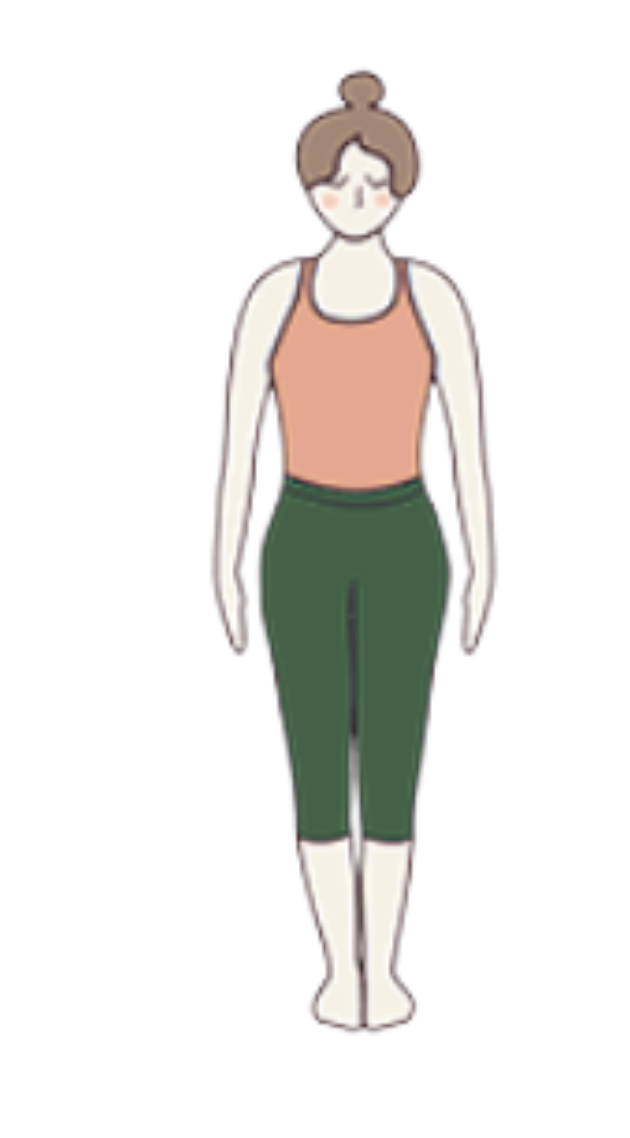
Mountain Pose (Tadasana)
Standing with both feet on the floor can offer a quiet sense of grounding, helping you feel supported, steady, and more present in your body.
Child’s Pose (Balasana)
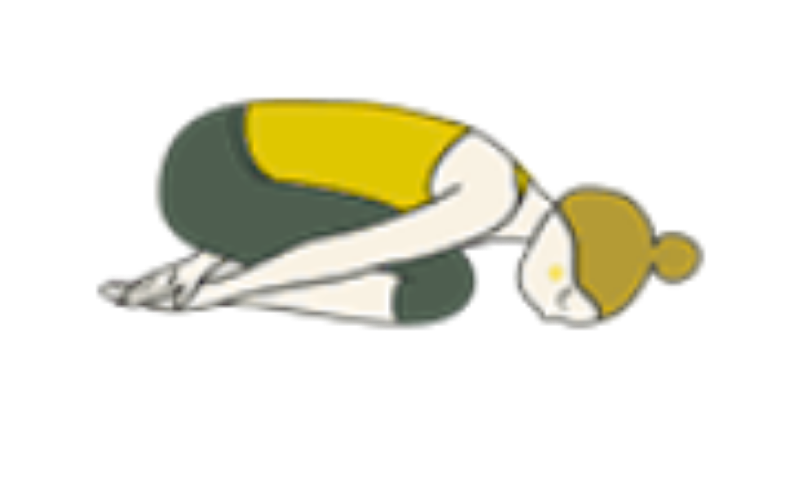
This soft resting shape can feel comforting and contained, especially with cushions or blankets to help your body settle more easily.
Cat–Cow (Marjaryasana-Bitilasana)
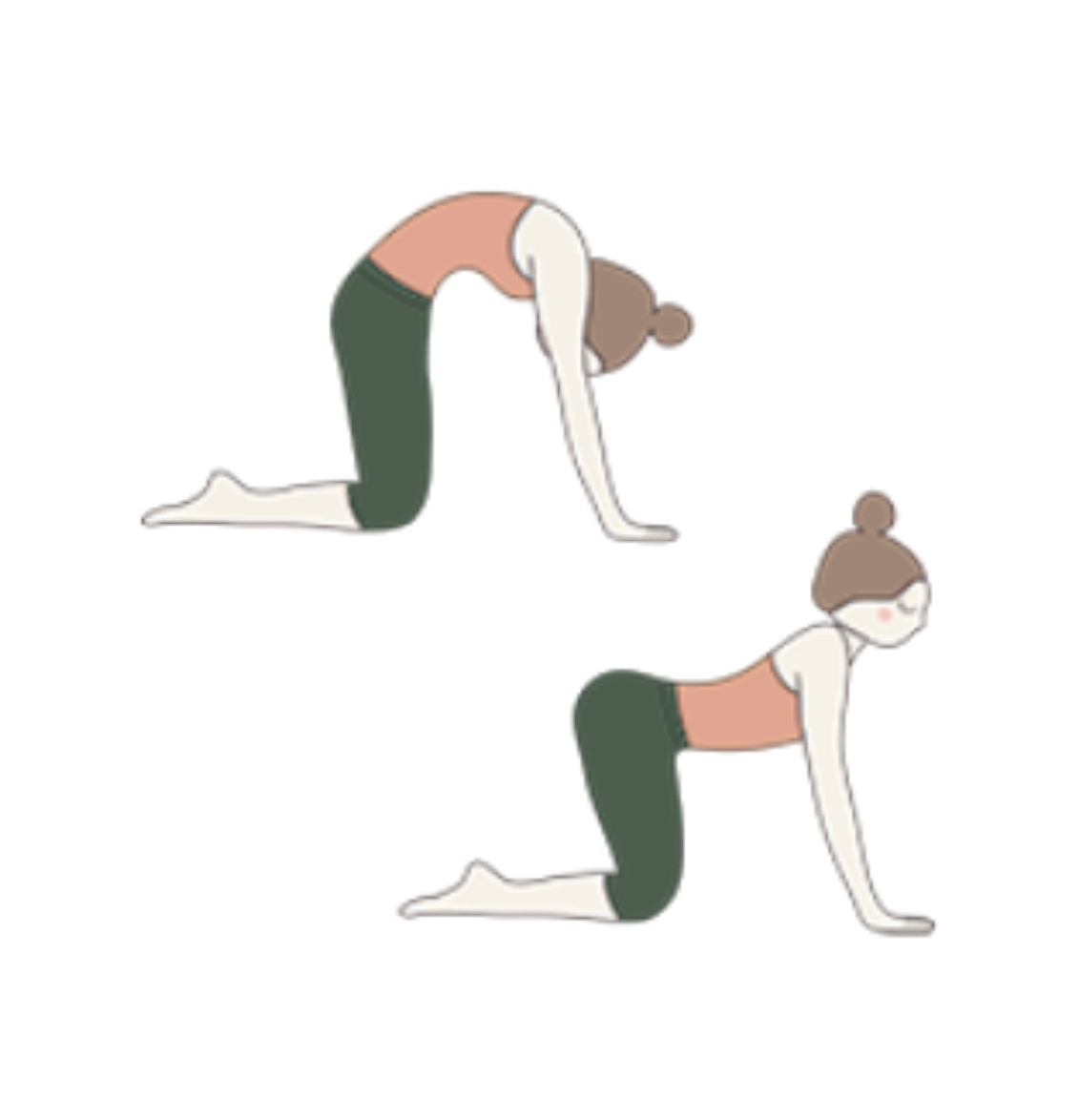
Moving gently with your breath between these two shapes can release tension and create a soothing rhythm that feels predictable and safe.
Legs Up the Wall (Viparita Karani )
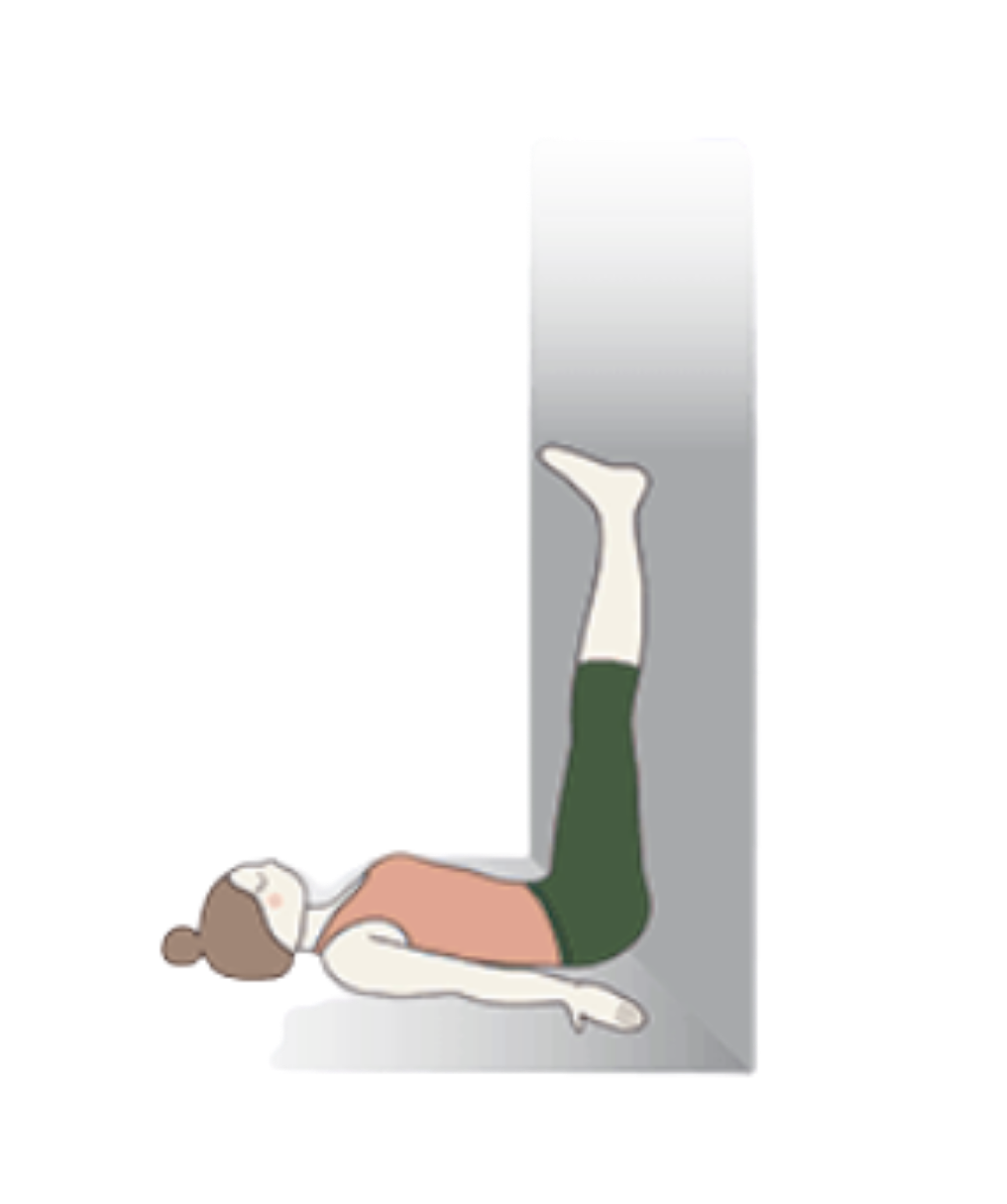
A deeply restful posture, this can be especially nourishing when you feel drained, unsettled, or in need of a little calm before sleep. I also find this quite energising when I need a moment of two during the day.
Bridge Pose (Setu Bandha Sarvangasana)
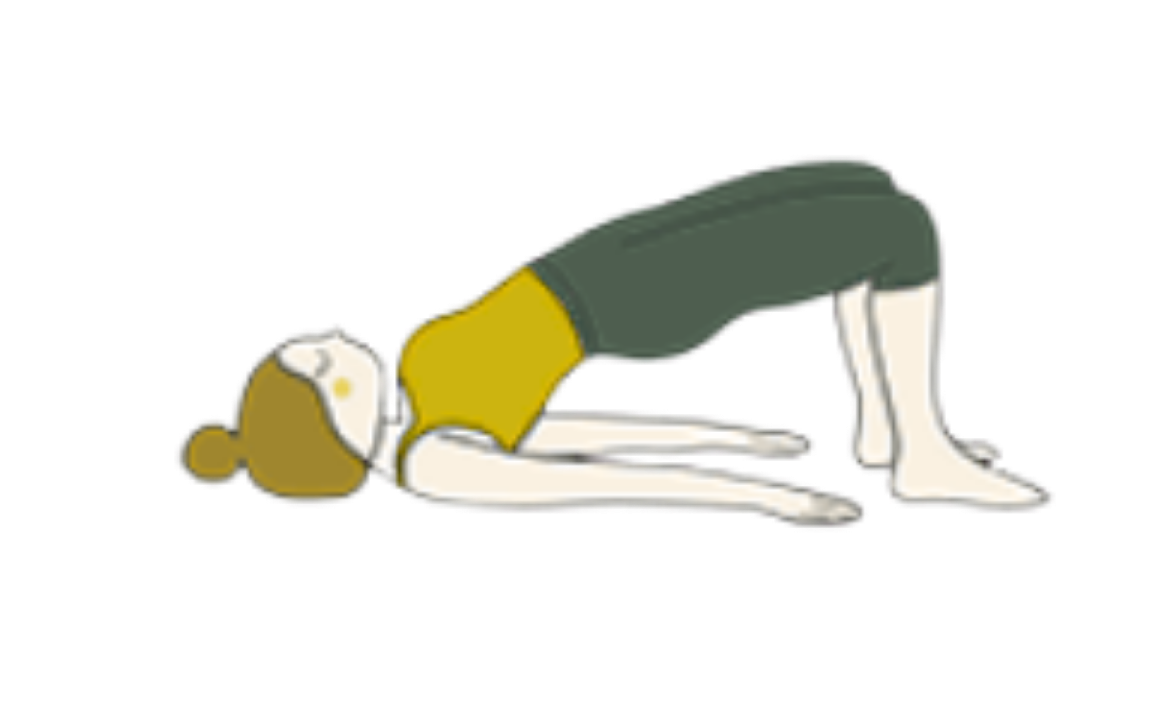
This gentle backbend can help you feel both open and supported, with the option to lift only as much as feels comfortable. I like supporting my lower back with a cushion or block when I want to feel “held”.
Supine Twist (Supta Matsyendrasana)
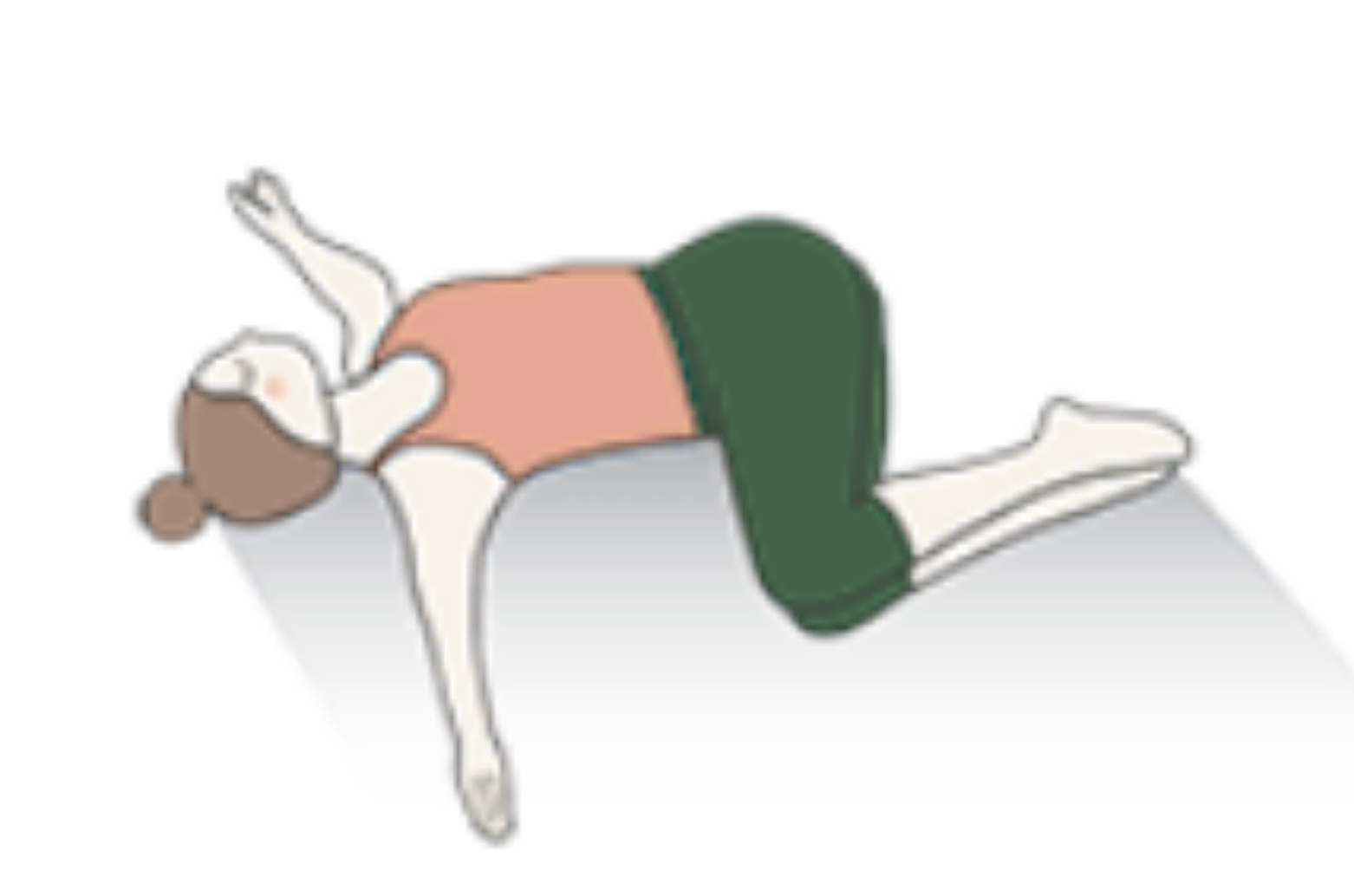
A soft twist while lying down can ease built-up tension and offer a sense of release, especially when paired with slow, easy breaths.
Butterfly Pose (Baddha Konasana)
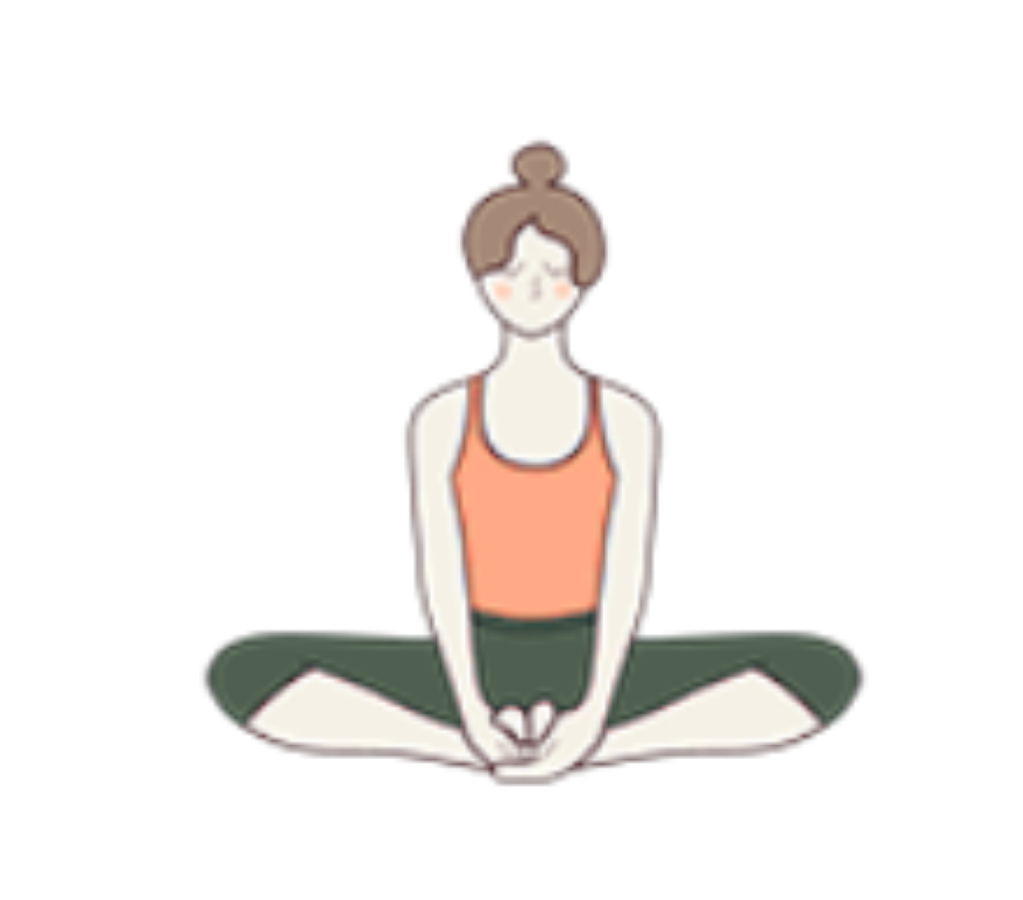
With support under the knees (blocks or cushions), this seated pose can encourage softness and help you reconnect with your body in a gentle, non-demanding way.
Warrior II (Virabhadrasana II)
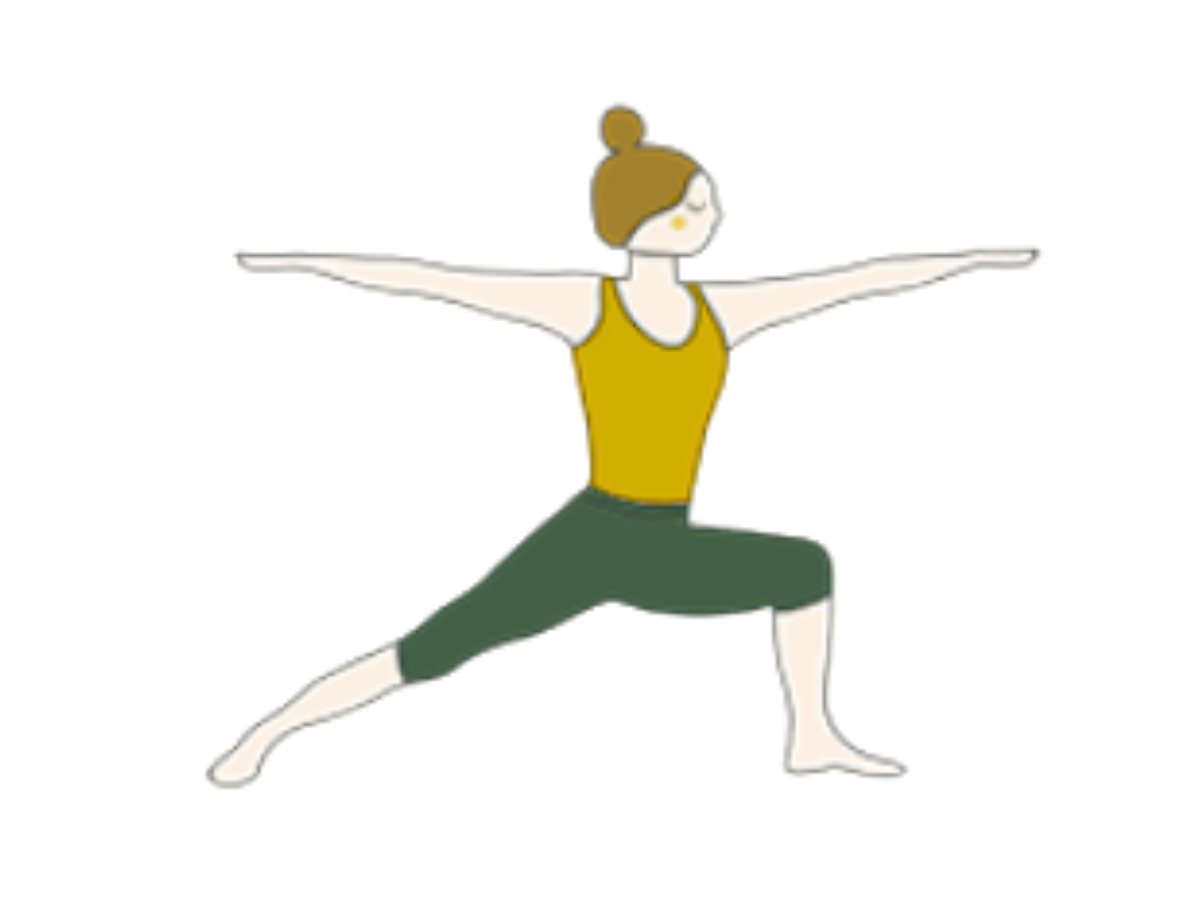
This strong, steady posture can help you explore confidence and presence while still giving yourself plenty of room to adjust or soften.
Corpse Pose (Savasana)
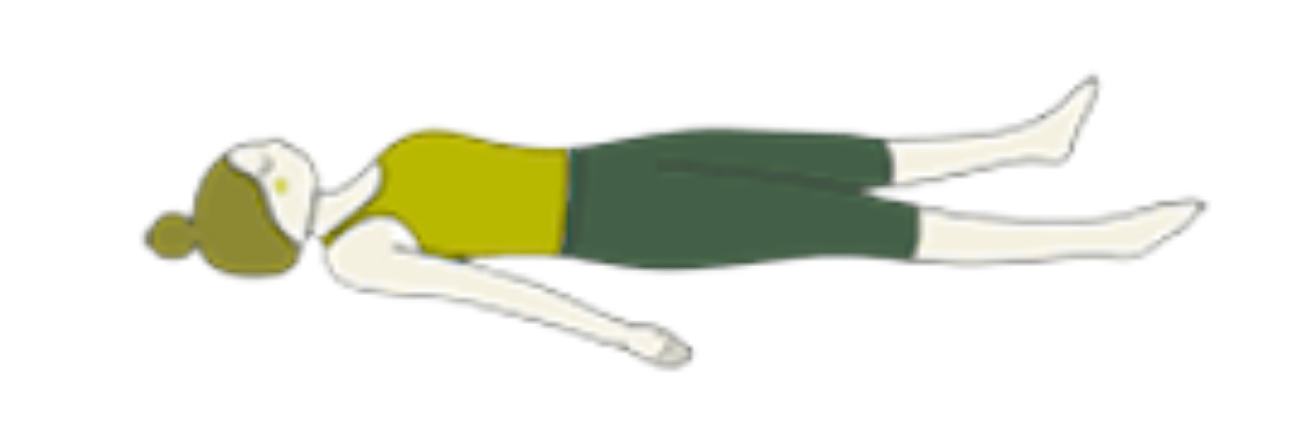
Rest can be healing, but it should also feel safe, so many people prefer modifications such as bent knees, a blanket, or lying on one side. I really like having a bolster under my knees in this posture.
When healing from PTSD, gentle and consistent practice often matters far more than doing a lot. Even a few quiet minutes of movement and breathing can be enough. The most important thing is to listen to yourself with kindness and notice what helps you feel a little safer, calmer, or more connected.
Living with PTSD can be challenging, but yoga may offer a gentle and supportive way to manage symptoms such as anxiety, stress, sleep difficulties, and emotional overwhelm. By combining mindful movement, breathing exercises, and relaxation techniques, yoga can help calm the nervous system, improve emotional wellbeing, and promote a greater sense of control and balance. While it is not a substitute for professional treatment, yoga can be a valuable addition to a wider recovery plan and may help individuals feel more connected to both their body and mind. I know that has certainly been the case for me.