


Yoga in Eating Disorder Recovery
I can honestly say that I do not think my recovery from anorexia would have been possible if it wasn’t for yoga. For years I tried. I had all the psychological knowledge (both from years of therapy and because I am a therapist), the motivation and the support to recovery and yet it always felt like something kept me stuck. It turned out my biggest hurdle was my relationship with myself and although conventional therapy has helped with that, yoga has facilitated a sense of self-awareness, self-compassion, self-validation and connection to myself that has led to a healing I didn’t really believe was possible.
Although there hasn’t been much research done on the topic to date, yoga can be a supportive part of eating disorder recovery when it is introduced carefully and alongside other, conventional treatments. When used as an aid for eating disorder recovery, yoga is not about changing how our bodies look or burning calories. Instead, it is about slowing down, breathing, feeling more grounded, and learning to relate to our bodies with more kindness. For many people, including myself, that can be a very significant and meaningful shift.
From my experience and many of the teachers and therapists I work with, when yoga is taught in a trauma-sensitive and eating-disorder-informed way, it can help with body awareness, emotional balance, self-compassion, and overall wellbeing. It is not a substitute for therapy, nutrition support, or medical care, but it can play a valuable role within a broader recovery plan.

How Can Yoga Help Eating Disorder Recovery?
Rebuilding a Safer Connection with the Body.
Many people in recovery feel cut off from their body’s signals. Hunger, fullness, tiredness, tension, and comfort can all become harder to recognise or trust. Gentle yoga can help rebuild that connection by encouraging students to notice breath, posture, balance, and sensation without immediately judging what they feel. Over time, this can support interoceptive awareness, which means becoming better at recognising what is happening inside the body. This matters in recovery because healing often includes learning to listen to the body again and responding with care rather than fear, control, or criticism.
Supporting Emotional Regulation and Reducing Stress
Recovery can bring up powerful emotions, including anxiety, shame, guilt, frustration, grief, and fear. Yoga may help by offering a simple way to slow things down. Through gentle movement, steady breathing, and focused attention, it can support the nervous system and create small moments of calm. Those moments can make it easier to stay present during distress instead of feeling swept away by it. For some people, yoga becomes an important coping tool they can turn to when emotions feel intense, helping them manage urges and discomfort without falling back into eating disorder behaviours. One of the mantras I use almost daily, because of what I have learned on my yoga mat, is “I can be comfortable with feeling uncomfortable.”
Encouraging Self-Compassion and a Healthier Body Image
One of the most helpful things about yoga in eating disorder recovery is that it can shift attention away from appearance and towards experience. In a recovery informed class the focus becomes, “What does my body need today?” rather than, “How does my body look?” That change can be powerful. It gives students a chance to practise self-compassion, patience, and non-judgement in real time. It can also gently challenge perfectionism and harsh self-criticism, both of which are common in eating disorders. Of course, this only works when yoga is taught in a recovery-friendly way, without weight-focused language, diet culture messaging, or pressure to push through discomfort.
Building Routine, Confidence and Empowerment
Recovery often means rebuilding trust in yourself, one small step at a time. A short, regular yoga practice can offer a sense of structure and steadiness, especially when life feels uncertain. Simple movements, guided breathing, or even a few minutes of mindful stretching can help students feel more capable, more present, and more connected to their own choices. Unlike rigid exercise routines, recovery-focused yoga is flexible and responsive. Rest is allowed. Modifications are normal. There is no need to prove anything. For many people in recovery, that alone can be healing, because it introduces a very different experience of movement: one based on care rather than punishment.
Safety and Context Matter
Although yoga can be a wonderful complement to traditional recovery approaches, it feels important to acknowledge that it is not automatically helpful for everyone in recovery. In the wrong setting, it can reinforce the very patterns someone is trying to heal from. Fast-paced classes, calorie-focused language, appearance-centred environments, or pressure to achieve can all make things harder rather than easier. That is why safety matters so much. The most supportive approach is usually gentle, trauma-informed, and adapted to the individual. Some people may need medical clearance, careful pacing, and close communication with their therapists or doctors before starting to practice. This is why, in many cases, restorative poses, breath-work, and short guided practices are a better starting point than intense flows. The aim is not performance. The aim is feeling safer in the body.
When used thoughtfully, yoga can be a gentle and meaningful support in eating disorder recovery. It may help people reconnect with their bodies, manage stress, practise self-compassion, and experience movement in a way that feels safer and more healing. Its greatest value is as part of a wider package of care, not as a stand-alone answer. With the right guidance and the right pace, yoga can offer a calm, compassionate space in which recovery is not just talked about but also lived.
Yoga Postures for Eating Disorder Recovery
Recovery-focused yoga is gentle, trauma-informed, and led by choice rather than pressure. That means less focus on how a posture looks, and more focus on how we feel; ideally steady, comforted, and a little more at home in our bodies. The postures I recommend below are simple, beginner-friendly options that can encourage calm, body awareness, and self-kindness. They are ones that I have found both grounding and empowering when I need to reconnect with myself.
I will be uploading some yoga practice videos when I recover from my neck injury, but in the meantime, if you decide to try some of these postures on your own, please be mindful and listen to your body. If something doesn’t feel right, then allow yourself to stop or rest and most importantly trust yourself.
Child’s Pose (Balasana)
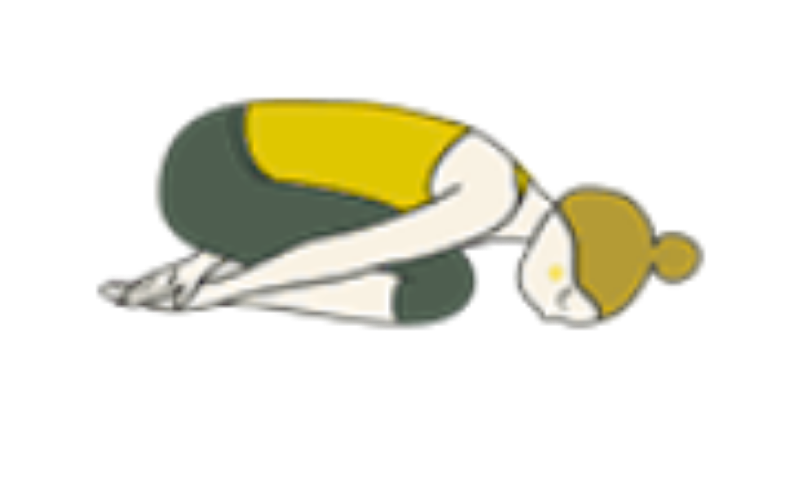
This quiet resting posture can feel like a gentle exhale, offering a sense of safety while inviting your shoulders, jaw, and belly to soften.
Supported Butterfly (Supta Baddha Konasana)
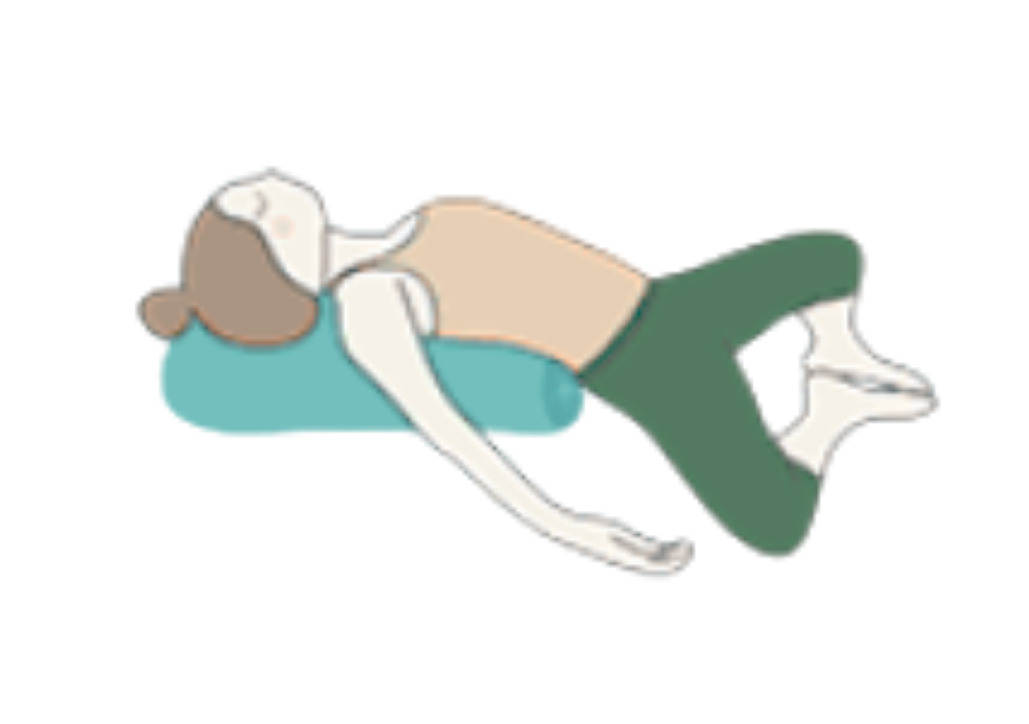
With cushions or blankets for support, this posture can feel deeply comforting, helping the chest and hips open in a way that is easy and unforced. This posture can feel quite triggering, so please check in with how you feel before trying it.
Legs Up the Wall (Viparita Karani )
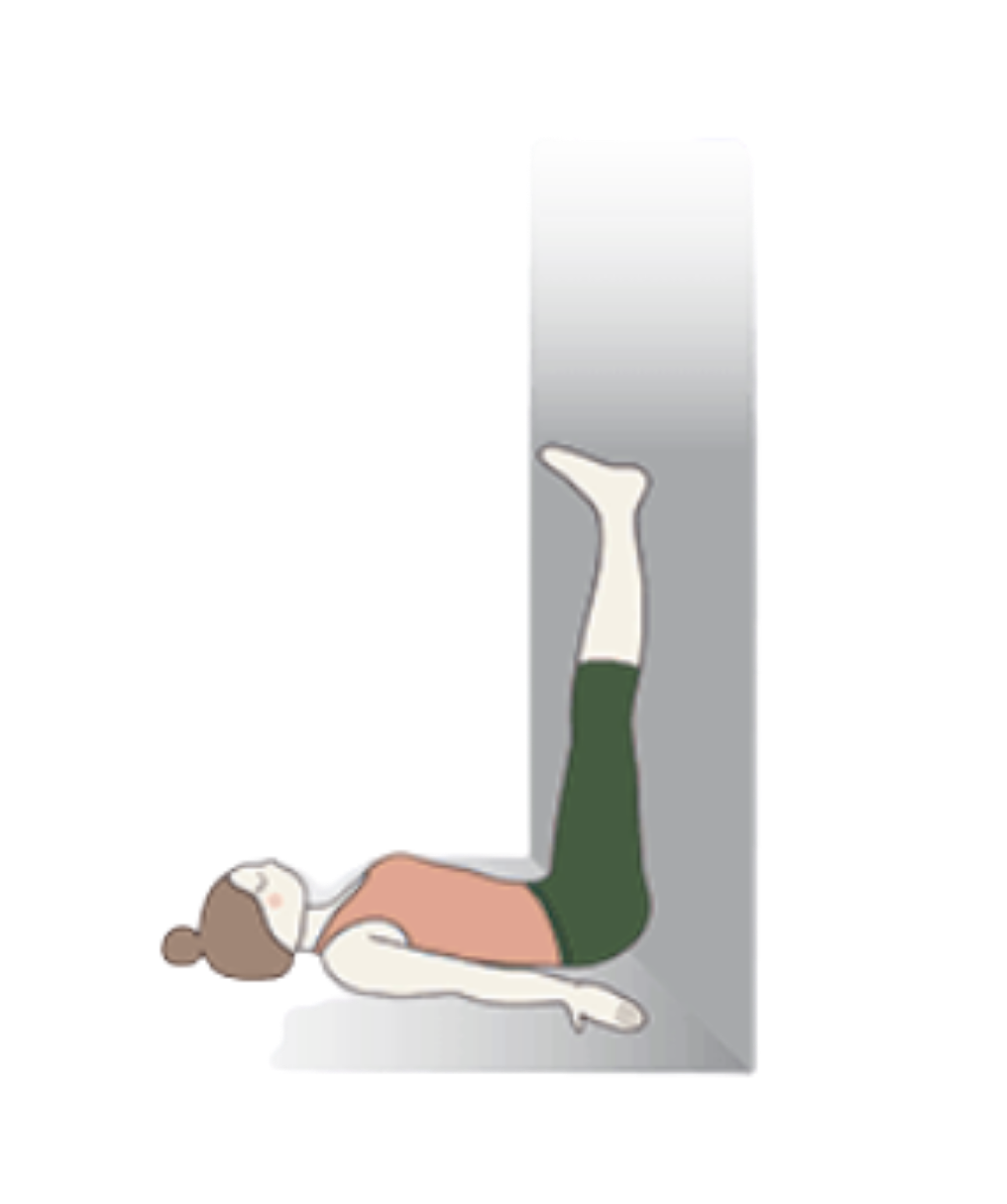
Simple and soothing, this restorative posture can help settle a busy mind and bring a welcome sense of stillness after a stressful day. I’m going to be honest and admit this is one of my favourite postures!
Cat–Cow (Marjaryasana-Bitilasana)
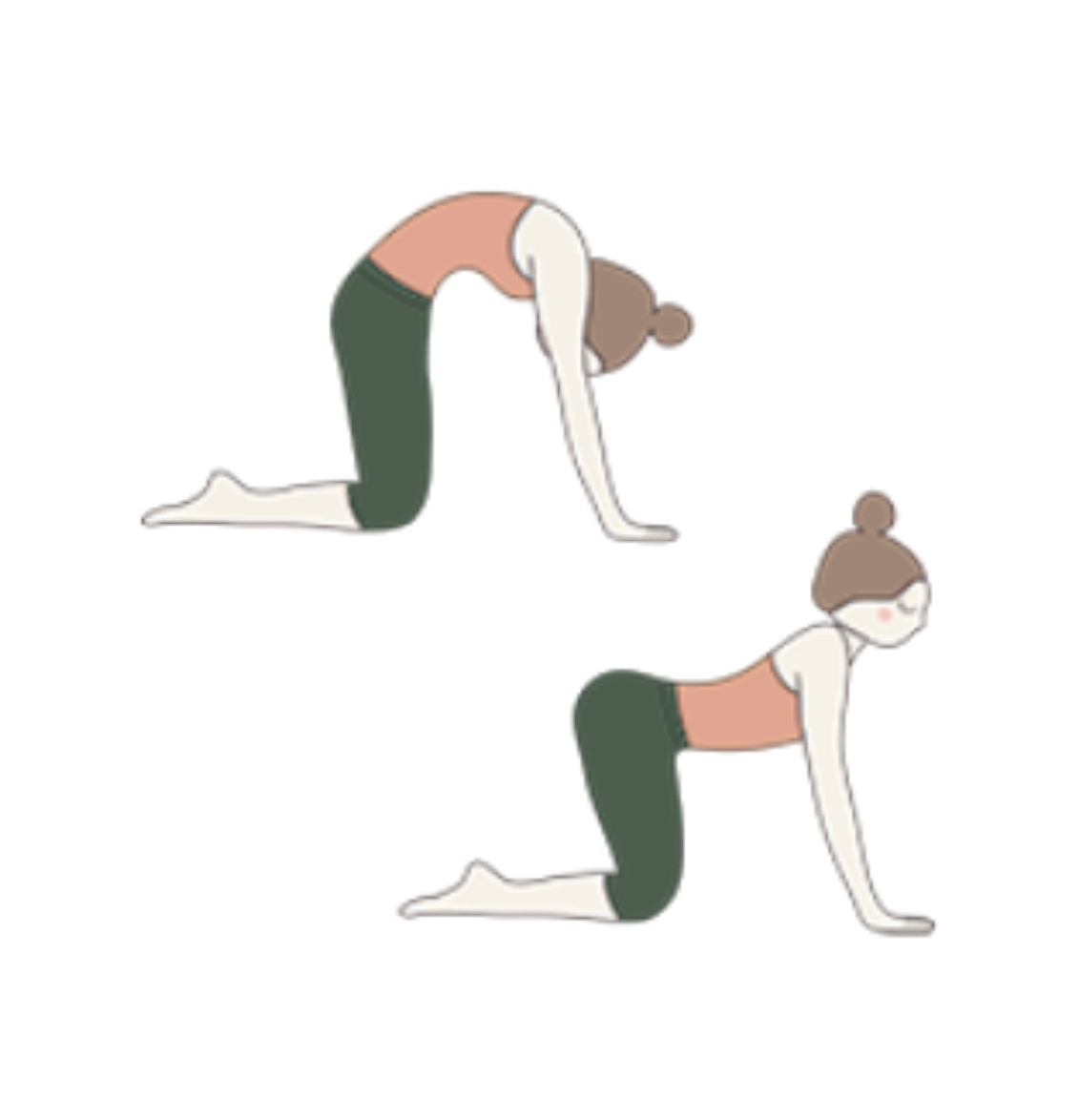
Moving slowly between these two shapes can be a kind way to reconnect with your body, one breath and one small movement at a time.
Seated Forward Fold (Paschimottanasana )
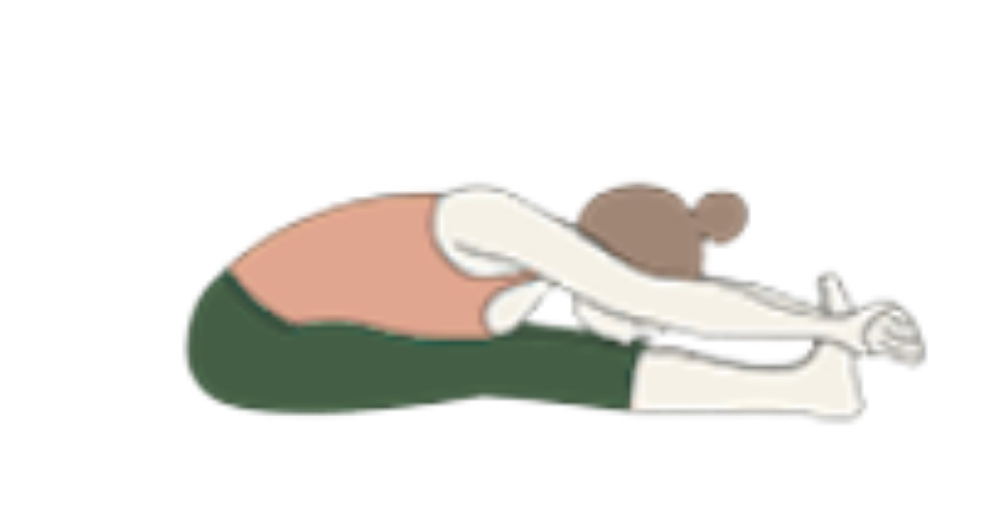
With your knees bent and no pressure to go far, this posture can feel cosy and calming, like turning gently inward for a moment of quiet.
Mountain Pose (Tadasana)

Standing tall with both feet grounded can be a simple reminder that you are allowed to take up space and meet yourself with steadiness. This is a posture that can be practiced anywhere.
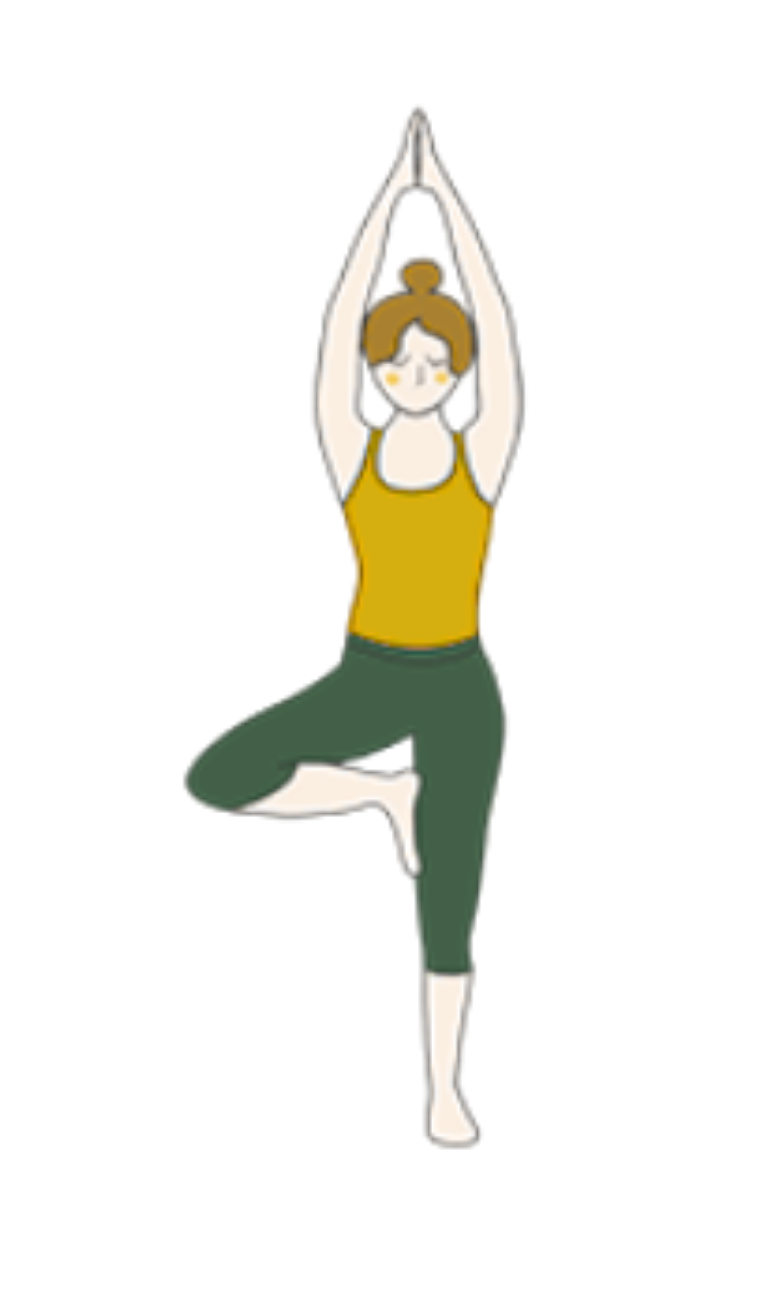
Tree Pose (Vrikshasana)
This balancing posture invites patience and playfulness; keeping your toes on the floor or using a wall is not “less than,” it is part of caring for yourself. I often practice this posture when I need to “get out of my head” reminding myself “I can’t be anywhere but here when I’m on one leg.”
Supine Twist (Supta Matsyendrasana)
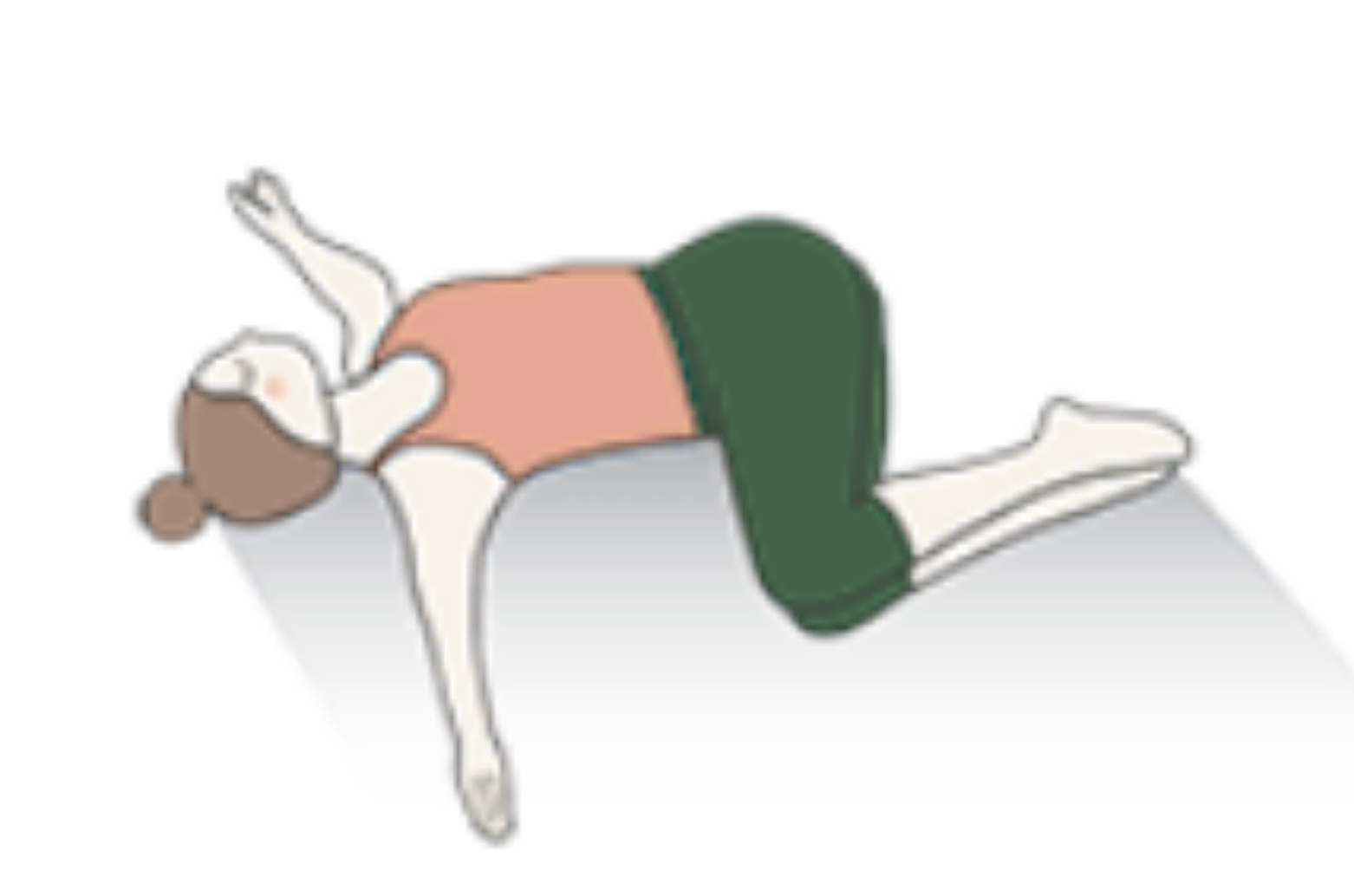
A soft reclined twist can release some of the tension held in the back and ribs, while encouraging slower, easier breathing.
Bridge Pose (Setu Bandha Sarvangasana)
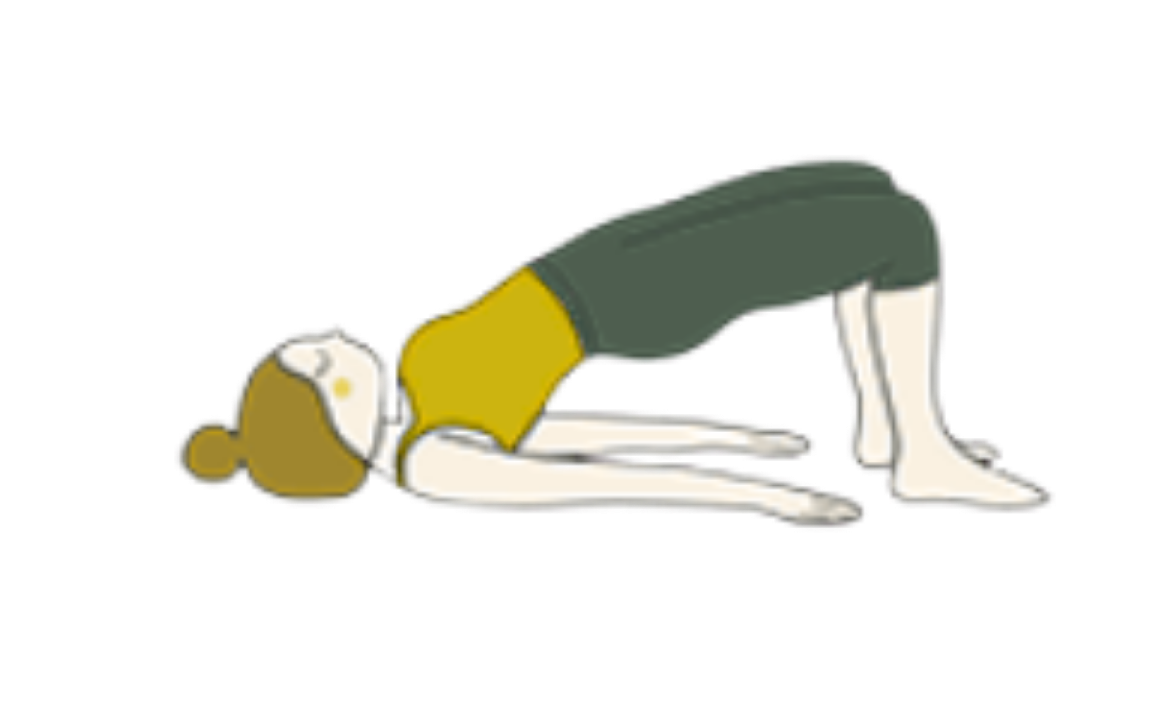
A low, supported bridge can feel gently uplifting, offering grounding through the feet and a little openness through the chest without asking too much. I really enjoy this posture with a block or cushion under my lower back.
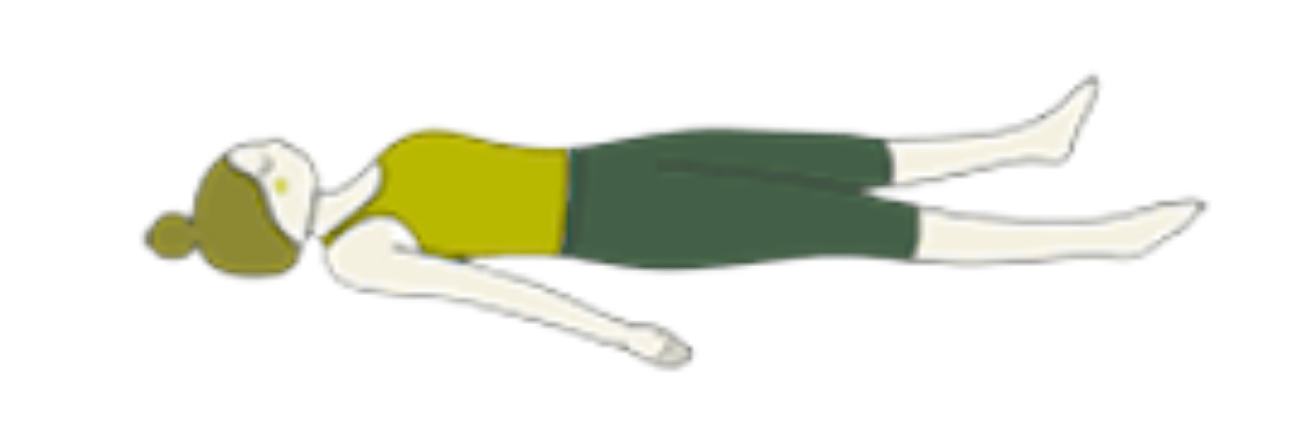
Corpse Pose (Savasana)
Resting in Savasana can be a powerful practice in itself—a chance to be with your body as it is, with nothing to fix, prove, or earn. Some days, when I am particularly tired, my entore yoga practice will consist of savasana
If you are curious about bringing yoga into your recovery, I recommend gentle, restorative, or beginner classes. It can also helpful to look for a trauma-informed teacher who keeps the focus away from calories, body judgement, or pushing past your limits. At least to begin with, it might also be useful to avoid studios with mirrors. And remember, your yoga practice does not need to be intense to matter. Sometimes just a few minutes of slow, compassionate movement—or even choosing rest—is enough to support healing.